A Wellness Lounge for Senior Living: Gentle Equipment Residents Will Use
How senior living communities and homecare providers can add a calm wellness lounge: gentle equipment, safe layouts, staff routines and the mobility tools that tie it together.
- Comfort, safety and simplicity matter more than novelty. Choose equipment that is easy to use, with staff nearby.
- A seated, low-effort menu (massage chair, gentle compression, warm light) suits many residents.
- Mobility tools and wellness tools work best when planned together.
- Involve residents, families and clinical staff, and respect each person's medical advice.

Illustration of a welcoming house with a glowing window and a heartbeat line across the roof
Start with comfort and dignity
A wellness lounge in a senior living community is not a gym and not a clinic. It is a calm room where residents can relax, feel looked after and enjoy something pleasant to look forward to. If residents do not enjoy it, they will not come back, so comfort and dignity come first.
That means easy entry and exit, seating at the right height, soft lighting, low noise and staff who are nearby but not hovering.
Safety and supervision
Staff should know each device, who it is suitable for and when to stop. Residents with heart conditions, circulation problems, skin fragility, implants or cognitive impairment may need clinical sign-off. Keep records, and respect each resident's medical advice.
Heat and cold are powerful. Start gently, offer water, and keep sessions short. We would not usually place a full infrared sauna in a community without clinical input.
Mobility is part of wellness
The best wellness lounge is useless if residents cannot get to it. Plan for step-free access and consider how residents move around the building. Our guide to choosing an electric or standing wheelchair covers the mobility side, and our Glide and Rise ranges include foldable, lightweight and sit-to-stand options.
A first-month plan
Week 1: install one device, train two or three staff and invite a small group of residents for a demonstration.
Week 2: open the lounge for short, supervised sessions. Collect feedback after each one.
Week 3: adjust seating, lighting and schedule based on what you heard.
Week 4: review usage, share positive stories with residents and families, and decide what to add next.
Small steps build trust and avoid expensive mistakes.
Designing a room people want to be in
Think café, not clinic. Warm lighting, comfortable seating, a few plants, soft music and a visible, friendly staff member. Residents are more likely to try something new in a space that feels welcoming.
Keep floors non-slip, entrances step-free and pathways clear. Give each device space so a resident, and a carer if needed, can get in and out comfortably. Put the controls where staff can reach them easily and place a call button nearby.
Consider schedules, too. A weekly 'wellness hour' gives residents something to look forward to and helps staff plan their time. Social sessions, where residents sit together, often work better than solo slots.
Ask a few residents to test the room before you finalise it. They will spot issues with height, glare and noise that designers miss.
Involving staff, residents and families
The best lounges are built with the people who use them. Talk to residents about what they enjoy, involve nursing and activity teams early and keep families informed. A short information sheet and a consent process for each device build trust.
Think about training, record-keeping and how you will handle residents who feel unwell. Our guide to installation and after-sales support describes what to ask suppliers, and the hospitality guide offers ideas from the way hotels welcome guests.
If you are building a wider programme, the AgeWell solution and combos offer starting points.
Getting started
Start with one or two devices, gather feedback and expand. For ready-made planning, see the AgeWell solution, the full catalogue and our combos. For homecare providers and hospitals, the Live Well solution may also be relevant. And if you are planning a larger space, how to start a recovery lounge covers layout and business considerations.
Frequently asked questions
What wellness equipment suits senior living communities?
Seated, low-effort options such as massage chairs, gentle leg compression and soft light lamps are common choices. Always involve clinical staff and respect each resident's medical advice.
Is it safe for older adults to use compression boots?
Many older adults enjoy them, but circulation conditions, clotting concerns and skin fragility are common and need a doctor's guidance. Start on gentle settings with supervision.
Should a senior living community have a sauna?
Only with clinical input. Heat affects blood pressure and hydration, so residents should be screened and supervised, and sessions kept short.
How can homecare providers use wellness equipment?
Compact, easy-to-use devices such as a leg massager or a portable chair can support a comfortable routine at home. Provide training and confirm suitability with the client's care team.
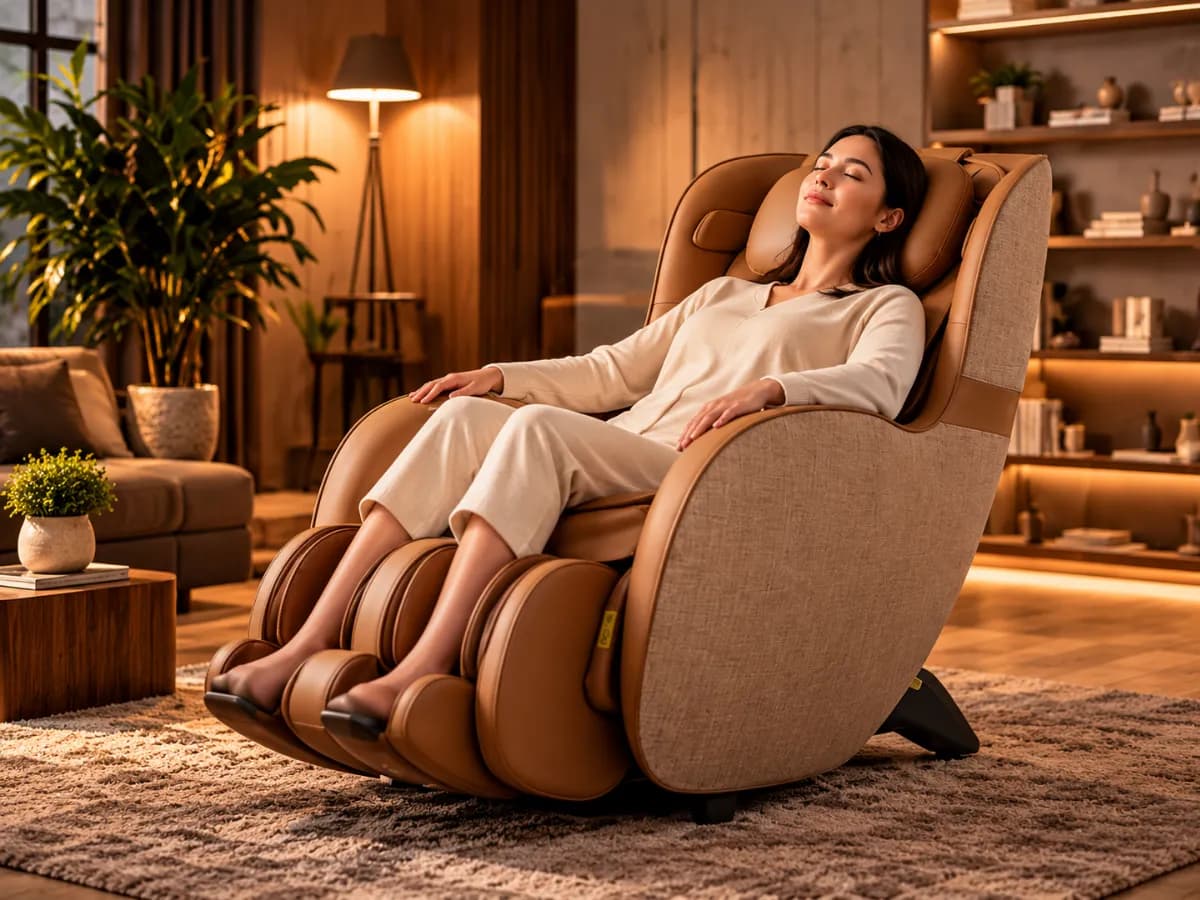
Serene Comfort SL Track Massage Chair
Compact SL-curve massage chair with voice control and zero-gravity recline.
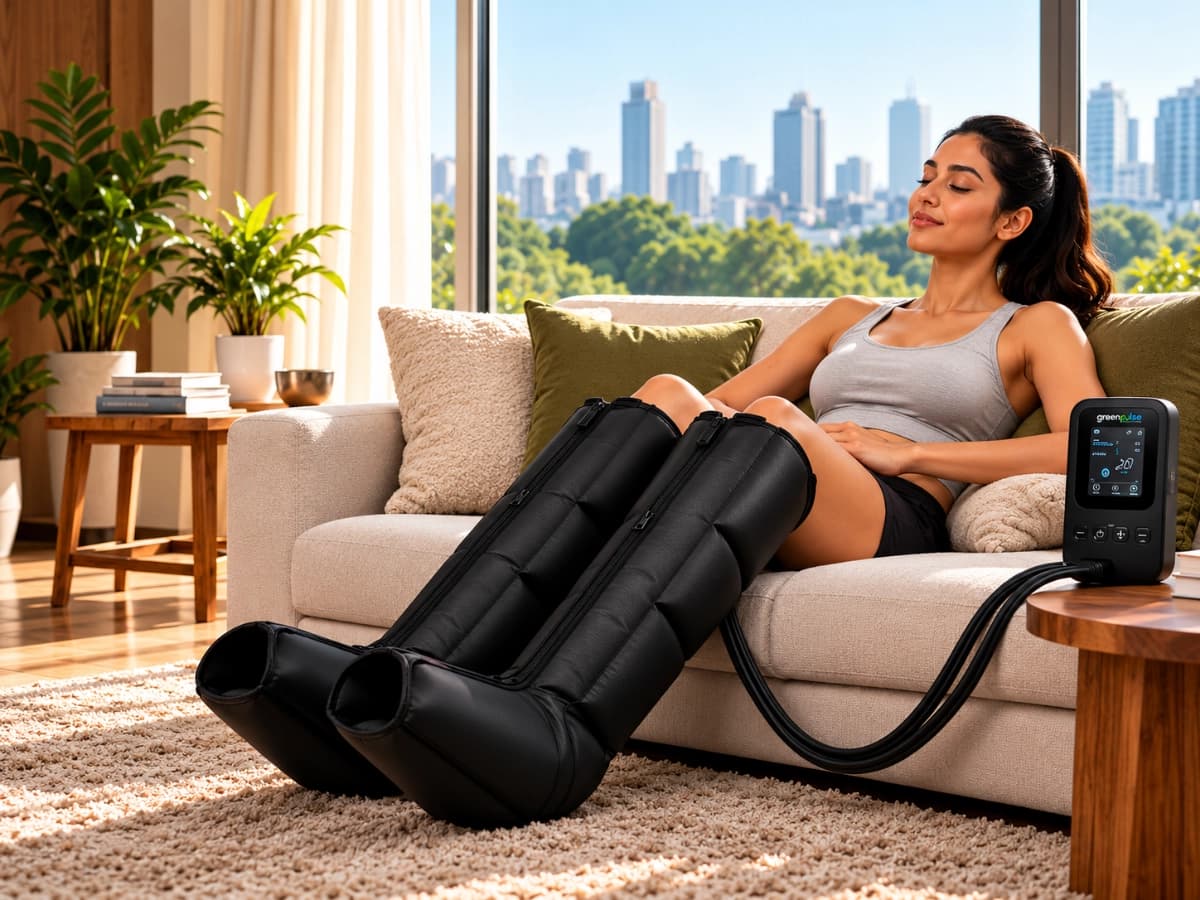
PulseWave Ease Air Compression Leg Massager
Compact, rechargeable leg massager for gentle use.
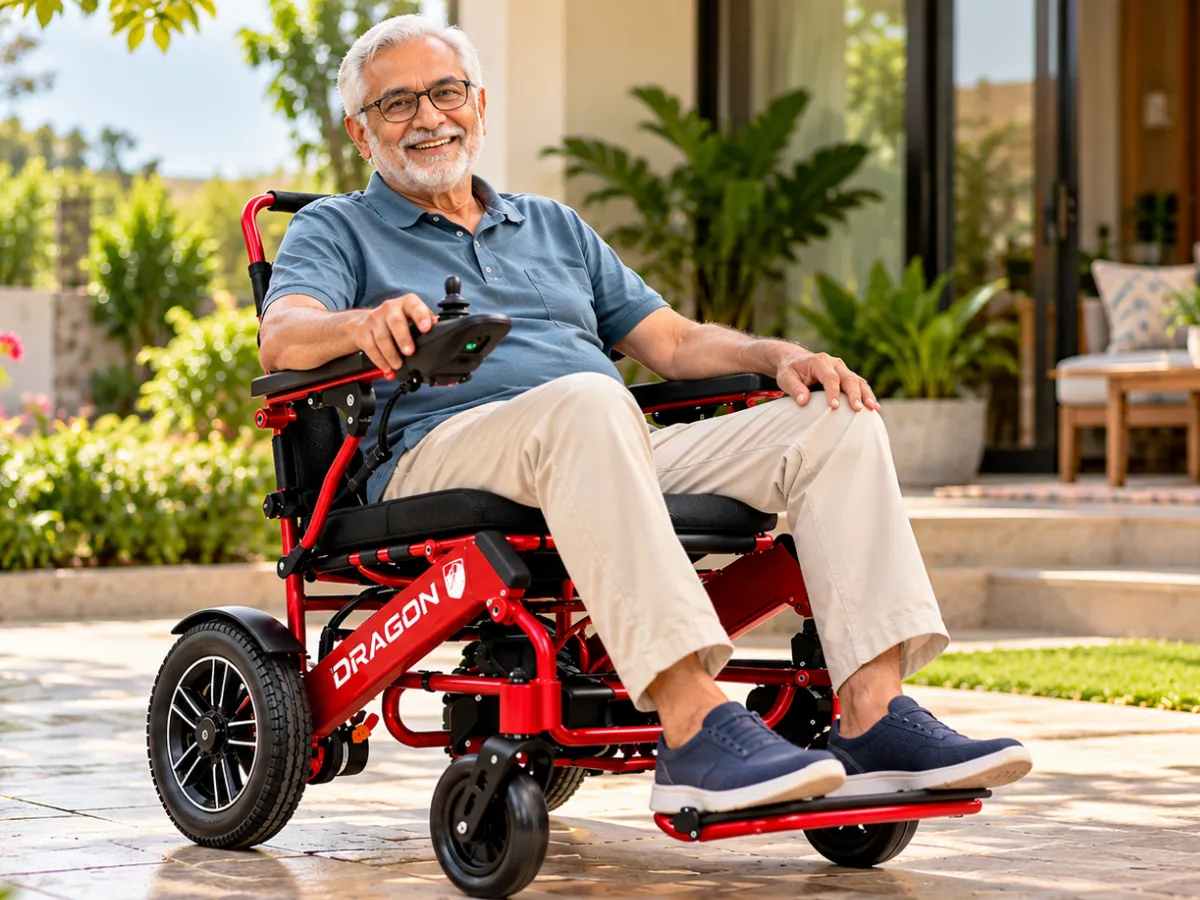
Glide Core Wheelchair
Ergonomic folding electric wheelchair with a 20 km range.
Planning a recovery suite or commercial wellness facility?
GreenPulse provides space layout planning, product selection, electrical planning, installation and team training for your space.
Related Perspectives
Electric vs Standing Wheelchairs: How to Choose Mobility Equipment
Foldable, lightweight, pediatric or sit-to-stand? A calm, practical guide to the questions that matter when choosing an electric wheelchair for yourself, a relative or a care setting.
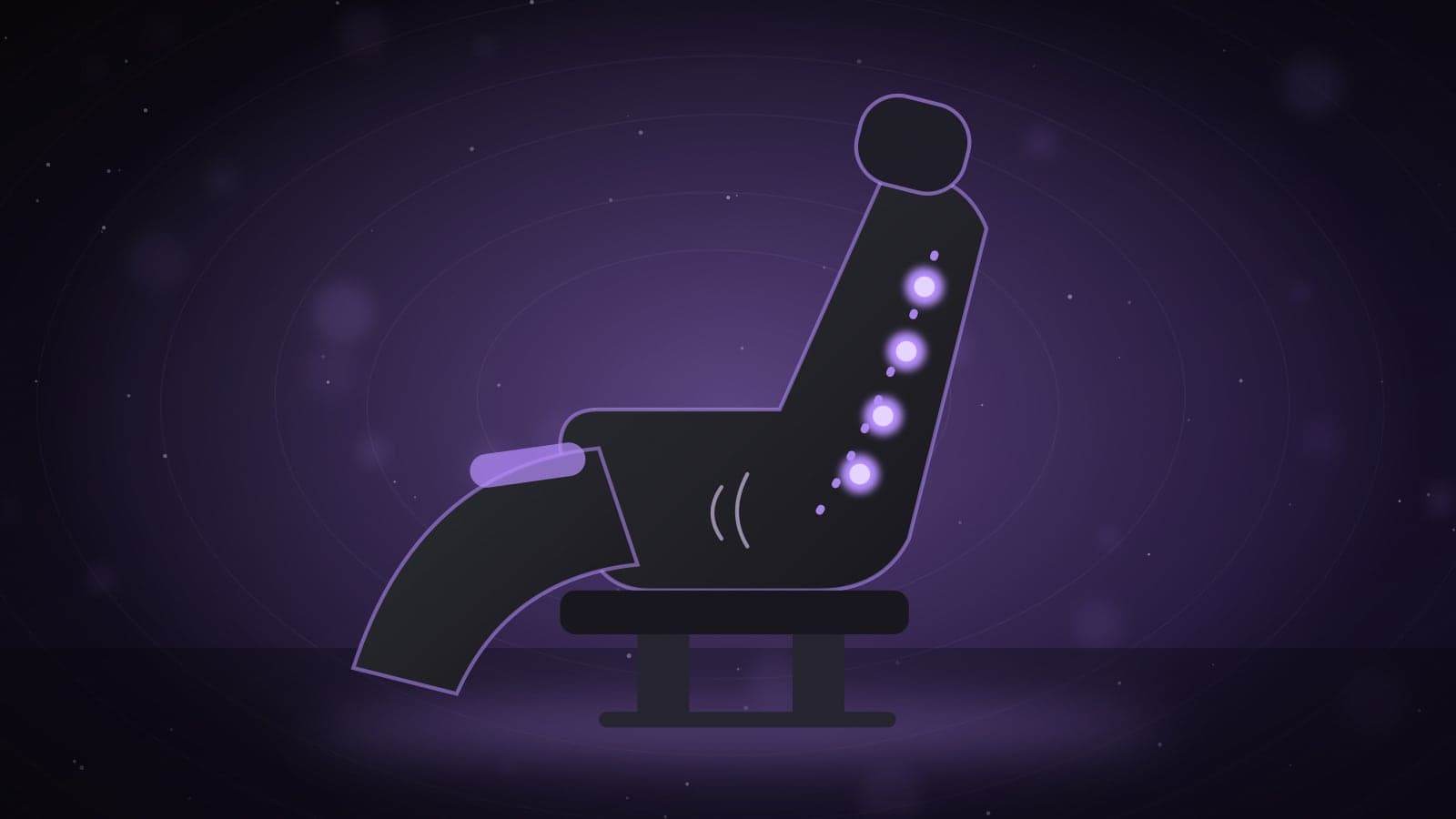
Massage Chair Buying Guide: SL Track, 3D, 4D and Zero Gravity
SL track, 3D, 4D, zero gravity. What do these terms mean, and which massage chair actually suits your body, your room and your budget?

Air Compression Boots: What They Do and Who Should Use Them
Compression boots are one of the most popular recovery tools for runners, lifters and desk workers alike. Here is how they work, what to look for and which model suits which person.