Infrared Sauna Buying Guide: How to Choose the Right One (2026)
Thinking about an infrared sauna for your home, studio or spa? Here is a plain-English guide to sizes, heater types, wood, power and the questions worth asking before you pay.
- Start with who will use it and where it will sit. Size, power and budget all follow from those two answers.
- Heater type matters more than the brochure suggests: carbon panels, ceramic tubes and full-spectrum quartz feel different.
- A cabin runs at roughly 45–60 °C, far gentler than a traditional steam sauna, which is why many people can sit through a whole session.
- Ask about wood, electrical needs, warranty and who services it before you ask about the price.
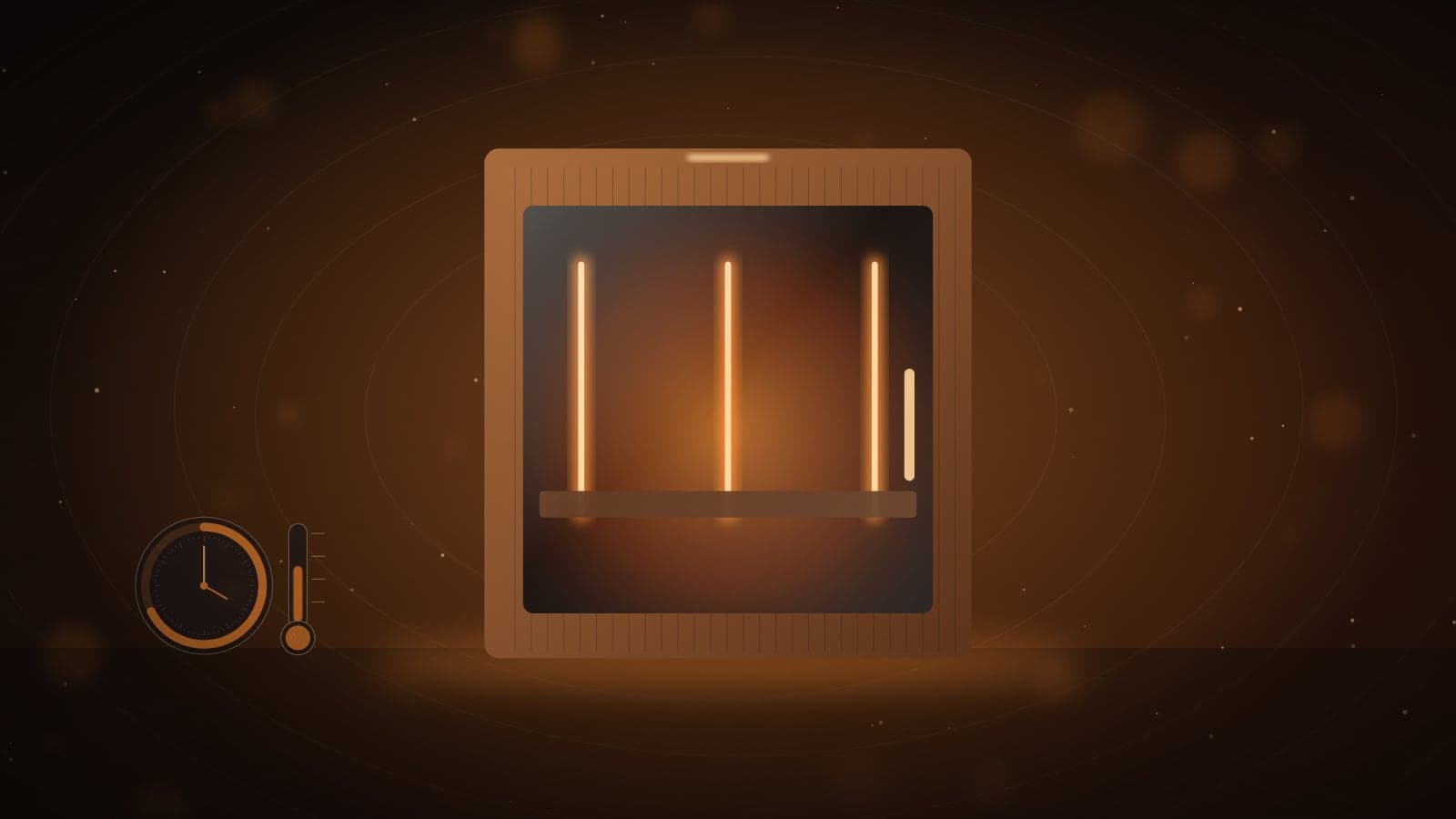
Illustration of a wooden infrared sauna cabin glowing with warm heater strips
Start with the person, not the product
Every sauna enquiry we get begins with a model number. The conversation that actually helps begins somewhere else: who is going to use this, how often, and where will it live?
A couple in a flat who want a twenty-minute wind-down three evenings a week need something very different from a boutique studio running back-to-back bookings. One wants a cabin that fits a spare corner. The other wants capacity, fast heat-up and easy cleaning.
Write down three things before you look at a single spec sheet: the number of people using it at once, the room (or space) you have, and the electricity available there. If you can answer those, the shortlist writes itself.
Pick a size you will actually use
Our infrared sauna range comes in one-, two- and three-person cabins. The Halo 1 is a compact 90 × 90 cm cabin that suits a single user in a bedroom, a home gym or a physio room. The Halo 2 (120 × 105 cm) is the sweet spot for couples and small studios. The Halo 3 (150 × 120 cm) is built for groups and busy commercial rooms.
Buyers tend to under-buy on size and regret it. If two people might ever want to sit together, go for the two-person cabin. It also gives a solo user room to stretch out and sit comfortably, which affects how often the sauna gets used. We go through the numbers in more detail in our sizing, power and installation guide.
Measure the door and the stairwell, not just the room. Cabins ship as panel sets and assemble on site, but you still want a clear path and about 190 cm of ceiling height.
Heater type: the choice brochures skip over
Infrared saunas are not all the same inside. Carbon panels give a broad, even, gentle warmth. Ceramic tubes heat faster and feel more intense. Full-spectrum setups add near-infrared on top of far-infrared. Each suits a different person.
The Halo Hybrid 2 and Halo Hybrid 3 combine carbon panels with ceramic heaters for people who like a stronger, faster heat. The standard Halo range leans into full-spectrum. We unpack this properly in full-spectrum vs carbon vs ceramic heaters, and if you want the physics behind it, read how infrared saunas actually work.
Wood, build quality and the little things
You will sit against the wood, breathe next to it and clean it, so it matters. hemlock is light, smooth and low in scent. Red cedar is warmer in colour and has a pleasant natural aroma, but some people find it a little strong in a small cabin.
Look past the wood too. A tourmaline floor, a built-in ionizer, chromotherapy lighting and Bluetooth sound are not essentials, but they change how a session feels. Ask to see a cabin in person or on a video call and check the door seal, glass quality and how the control panel behaves.
Five questions to ask before you pay
A supplier who answers these without hesitation is usually the one you want. If you are buying for a business, read our guide to buying, installation and support first. And if you would like a person to talk it through, our team can help via the Recover & Restore solutions page or the enquiry form.
Buying for a home vs buying for a business
The same cabin can serve a family or a spa, but the buying logic is different. At home you are optimising for comfort, footprint and how often you will really use it. In a business you are optimising for capacity, turnaround, durability and the cost of keeping the room in service.
For a home, the Halo 1 or Halo 2 usually wins. For a studio, spa or clinic, the Halo 3 or a Halo Hybrid 3 gives you the capacity to run back-to-back sessions. Commercial buyers should also think about wipe-down routines, towel handling and booking flow, which we cover in how to start a recovery lounge.
One more difference: businesses need a service plan. Ask who maintains the heaters, how quickly parts arrive and what the warranty says about commercial use. Our guide to buying, installation and support lists the questions worth asking.
Seven mistakes we see buyers make
Most regrets are avoidable. Here are the ones we hear about most often.
Write a one-page brief before you speak to suppliers: number of users, room size, power available, budget and whether it is for home or business. A good supplier will tell you straight away which cabin fits.
Making it a habit, not a showpiece
The best sauna is the one you actually use. Put it where you will pass it daily, make it comfortable and keep a towel, a water bottle and a timer inside the door. Start with the beginner's session guide and set a gentle weekly rhythm.
If you also like cold, build the two together. Our contrast therapy guide shows how to pair a cabin with a plunge, and the recovery stack shows how heat fits into a wider routine.
What to read next
Once you have chosen a cabin, the next question is how to use it well. Our beginner's session guide covers timing, hydration and what to expect. If you would rather not commit to a full cabin yet, compare it with a sauna blanket. And if you are curious about pairing heat with cold, contrast therapy is the natural next step.
For businesses, a sauna is rarely bought alone. Our equipment combos show how studios and clinics bundle infrared with cold, red light and compression.
Frequently asked questions
How much does an infrared sauna cost?
It depends on size, heater type, wood and extras like chromotherapy or sound. Rather than quote a figure that may not suit your needs, we recommend sharing your space, number of users and budget with our team so we can match you to the right cabin. You can start from our infrared sauna range.
Is an infrared sauna better than a traditional sauna?
Neither is universally better. Traditional saunas heat the air to a high temperature, while infrared cabins warm you directly at a lower air temperature. Many people find the gentler heat easier to tolerate and the cabin quicker to warm up, but some love the intensity of steam. It comes down to preference.
How much electricity does an infrared sauna use?
Our cabins are rated at roughly 1,350 W (Halo 1), 1,750 W (Halo 2) and 2,100 W (Halo 3). Actual consumption depends on how long and how hot you run it. A qualified electrician should confirm the circuit for your building.
Can I put an infrared sauna outdoors or in a garage?
Our cabins are designed for indoor use in a dry, level, ventilated room. A garage or covered room can work if it is dry and properly wired, but avoid damp spaces and direct exposure to rain.
Is an infrared sauna safe for everyone?
No. People with heart or blood-pressure conditions, pregnant women and those on medication that affects heat tolerance should speak to a doctor first. Start with short sessions and stop if you feel unwell.
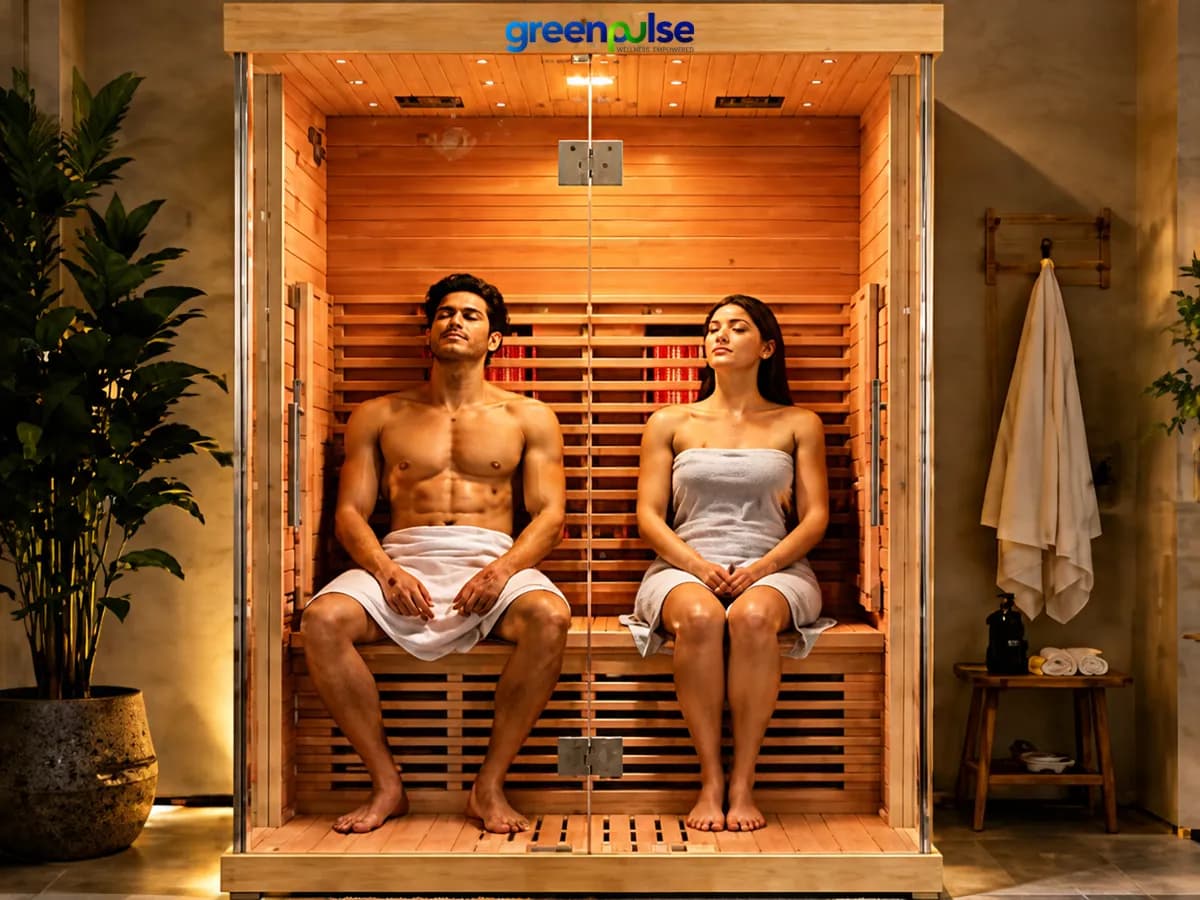
Halo 2 Infrared Sauna (2 Person, Full Spectrum)
Our best all-rounder: two-person full-spectrum cabin for couples, small studios and home spas.

Halo 1 Infrared Sauna (Single Person, Full Spectrum)
A compact single-person cabin when floor space is tight.
Planning a recovery suite or commercial wellness facility?
GreenPulse provides space layout planning, product selection, electrical planning, installation and team training for your space.
Related Perspectives

How Infrared Saunas Actually Work: Near, Mid and Far Infrared Explained
No jargon, promise. Here is how infrared heat differs from a steam sauna, what near, mid and far infrared mean, and why the air in the cabin stays much cooler than you would expect.
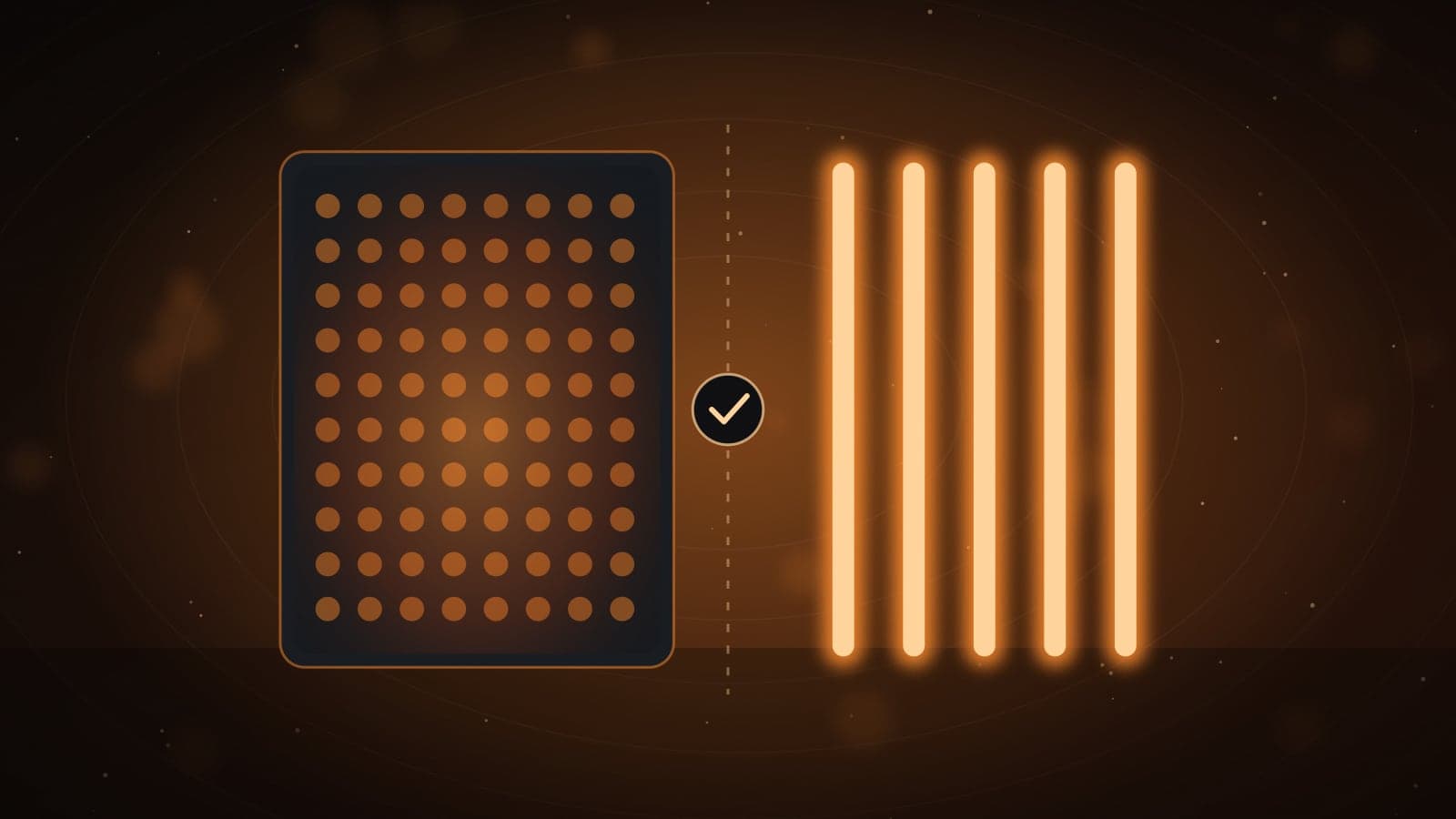
Full-Spectrum vs Carbon vs Ceramic Infrared Heaters: Which Is Better?
Carbon panels, ceramic tubes, full-spectrum quartz. Each heats differently, feels different and suits a different user. Here is how to choose without needing an engineering degree.

Infrared Sauna Size, Power and Installation: A Practical Planning Guide
How much space does an infrared sauna need, what electrical supply does it draw, and what should be ready before delivery day? A checklist for homes, studios and spas.