Contrast Therapy: How to Pair an Infrared Sauna with a Cold Plunge
Heat, then cold, then rest. Here is how to build a simple contrast routine at home or in a studio, with timings, order and the common mistakes to avoid.
- Contrast therapy simply alternates warmth and cold, usually finishing on cold or a calm rest.
- Keep it gentle to start: a short sauna session, a brief plunge, then rest.
- Place the two close together so the transition is quick and safe.
- Studios use it as a signature experience because it is easy to explain and memorable to try.
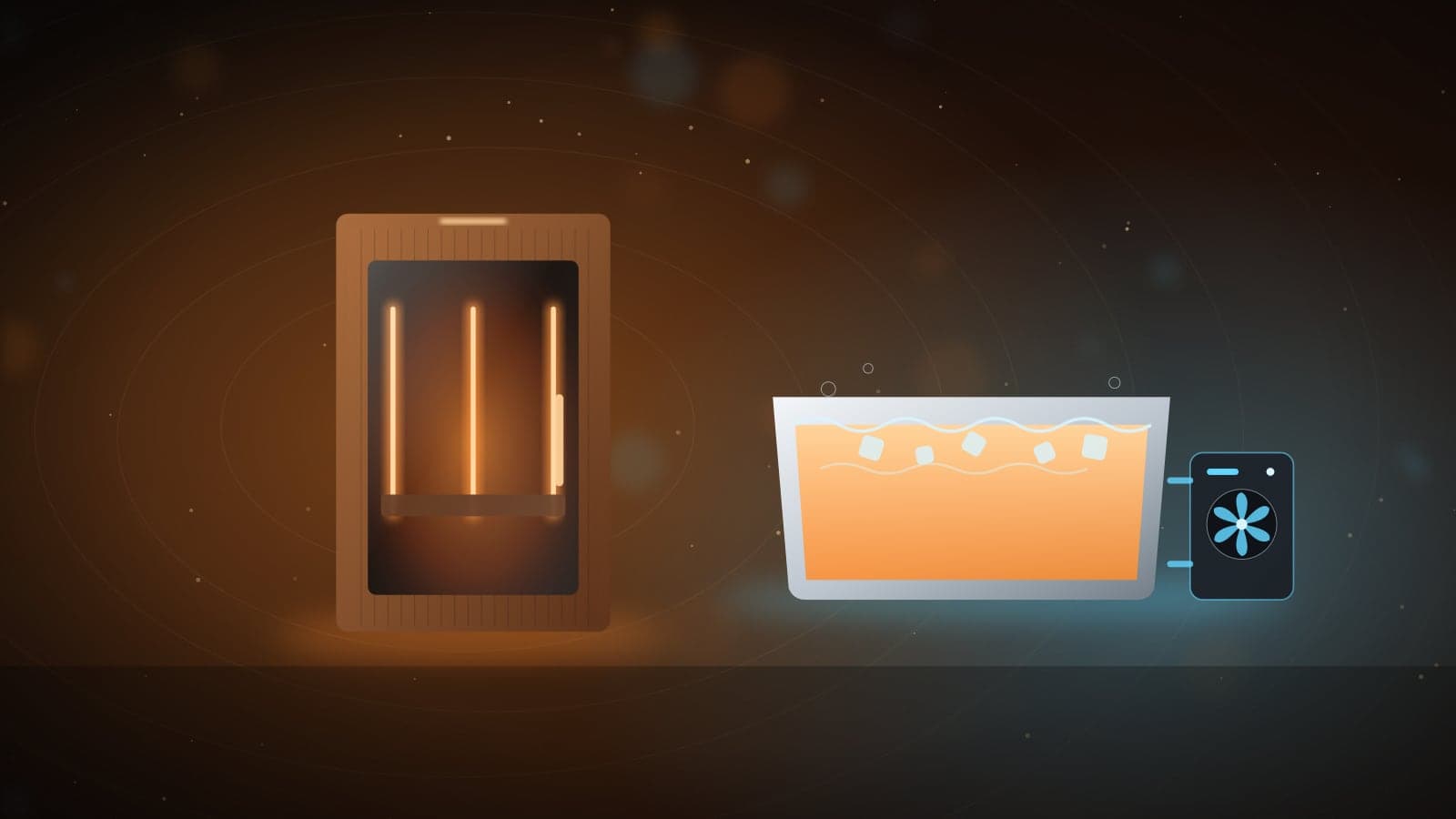
Illustration of a warm infrared sauna on one side and a chilled cold plunge on the other
What contrast therapy actually is
Strip away the buzzwords and contrast therapy is a routine: spend a little time in heat, then a little time in cold, and repeat if you like. People enjoy the invigorating shift and the deep calm afterwards.
You do not need an elaborate setup to try it. An infrared sauna for the heat and a cold plunge for the cold are enough.
A simple routine to start with
Go gently. The goal is a pleasant contrast, not a test of endurance. We cover the heat side in detail in our beginner's session guide.
Many people finish on cold, then rest, because it leaves them feeling awake and calm. Others prefer to end on warmth. Experiment and note what suits you.
Layout: keep heat and cold close
The shorter the walk between the two, the safer and more pleasant the routine. In a home, that could be a sauna and a plunge on the same terrace or in the same garage room. In a studio, it is a dedicated contrast corner.
A compact pairing is the Halo 1 cabin with an Arctic Ring round plunge, both of which suit small footprints. For busier spaces, step up to the Halo 3 with an Arctic Tub. Our equipment combos include ready-made contrast corners if you would rather not piece it together yourself.
Which first, heat or cold?
Most contrast routines start with heat so your body is warm and relaxed, then move to cold. Some people prefer to start with cold and finish with warmth. Try both and see which leaves you feeling best.
A common pattern is heat, cold, rest, repeated once or twice. Keep cold dips short at first, rest between rounds and leave plenty of time to dry off and warm up gradually at the end.
Whatever order you pick, hydration matters. Keep water close, and keep a robe or towel by the plunge so the transition is pleasant.
Heat tends to widen blood vessels near the skin and cold tends to narrow them. Alternating the two is the idea behind contrast routines. The experience is the main reason most people enjoy them.
Building a contrast corner
You do not need a huge space. A compact contrast corner can be a sauna and a round plunge within a few steps of each other, plus a bench, towels and a small shelf for water.
Pairing a Halo 2 cabin with an Arctic Tub gives a roomy two-person set-up. Our combos include a ready-made Revive Contrast Corner for studios.
Consider drainage and floor protection around the plunge, non-slip flooring and good lighting. Our cold plunge buying guide and sauna planning guide cover the practical details.
What about cryotherapy?
Some venues use a cryosauna as the cold step instead of a plunge. It is a different experience, dry and very quick, with different logistics. Read cryotherapy vs ice bath to compare them.
Why studios love it
For a gym, spa or clinic, contrast therapy is an easy story to sell: simple, social and memorable. Members try it once and tell friends. It also pairs well with other services, which we explore in how to start a recovery lounge and gym recovery zone pricing.
A safety note: cold immersion and heat both affect heart rate and blood pressure. If you have a medical condition, check with your doctor. Venues should display clear guidance and brief staff on what to do if someone feels unwell.
Frequently asked questions
What is contrast therapy?
A routine that alternates heat (like an infrared sauna) and cold (like a cold plunge). People enjoy the invigorating shift and the sense of calm afterwards.
How long should I stay in the cold plunge after the sauna?
Beginners should keep it short, from a few seconds up to a minute or two, entering slowly. Build up gradually and leave if you feel unwell.
Should I finish on hot or cold?
Many people finish on cold followed by rest, because it feels refreshing. Others prefer to end on warmth. Choose whichever you enjoy.
Can I do contrast therapy at home?
Yes. A compact infrared cabin and a round cold plunge are enough, provided you have a suitable power supply, floor and drainage. Check with a doctor first if you have any health conditions.
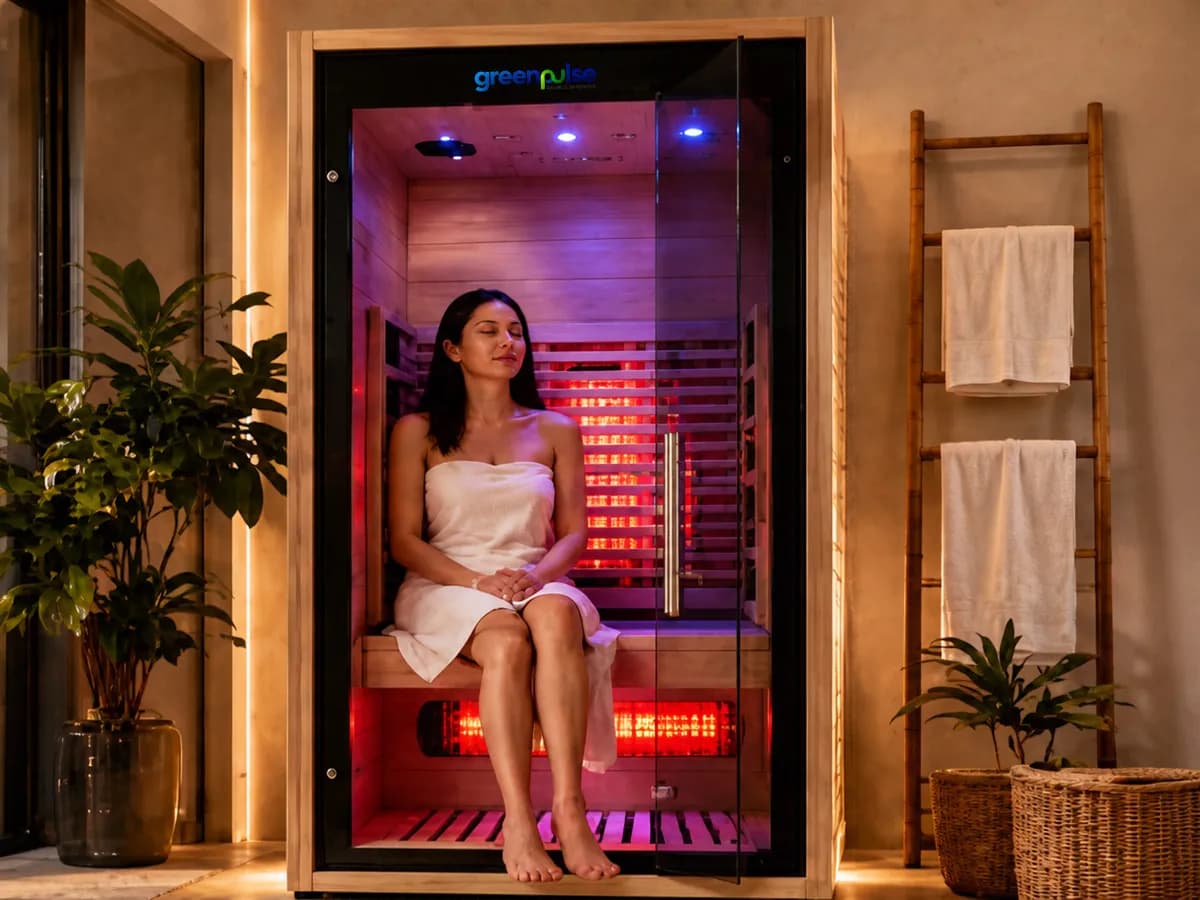
Halo 1 Infrared Sauna (Single Person, Full Spectrum)
Compact sauna for a contrast corner.
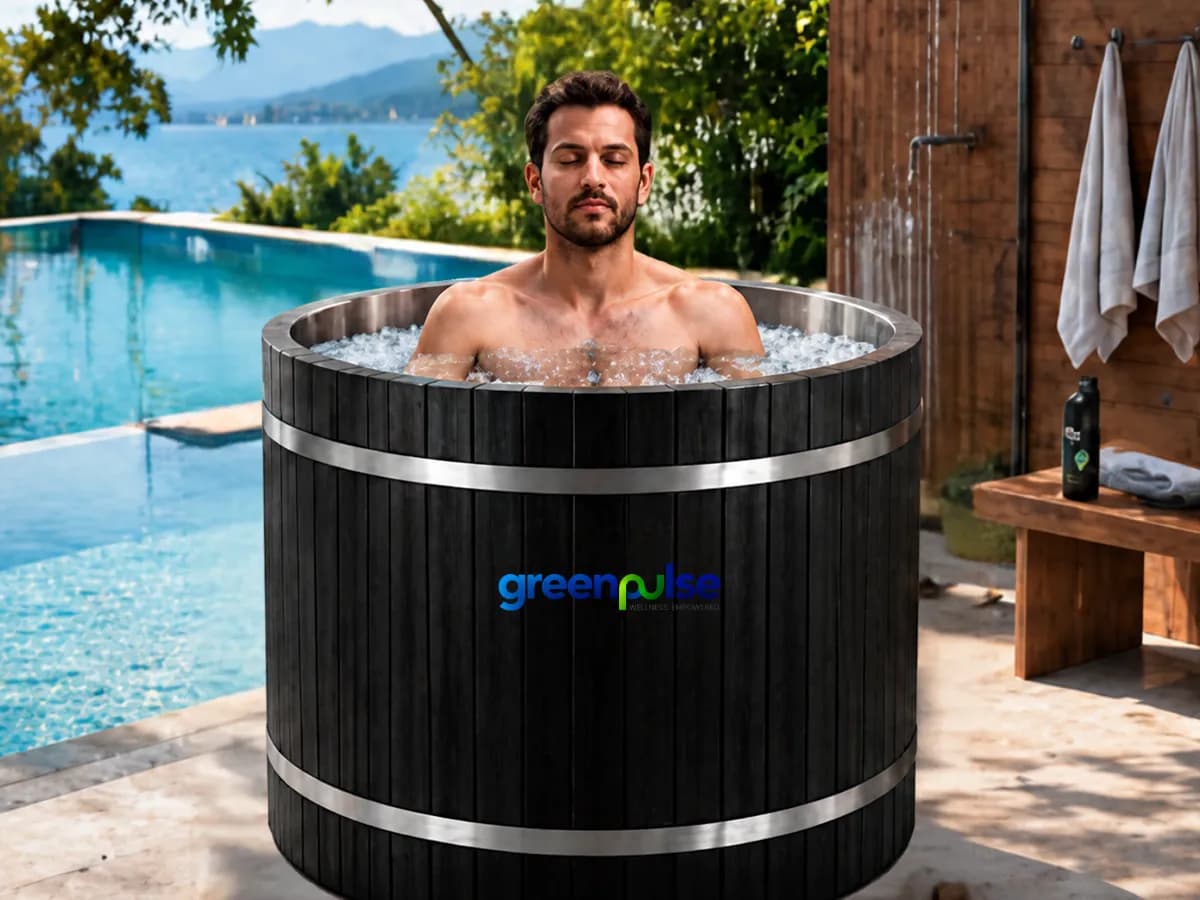
Arctic Ring Cold Plunge (Round, Single Person)
Round cold plunge that sits neatly next to a cabin.
Planning a recovery suite or commercial wellness facility?
GreenPulse provides space layout planning, product selection, electrical planning, installation and team training for your space.
Related Perspectives
Infrared Sauna Buying Guide: How to Choose the Right One (2026)
Thinking about an infrared sauna for your home, studio or spa? Here is a plain-English guide to sizes, heater types, wood, power and the questions worth asking before you pay.
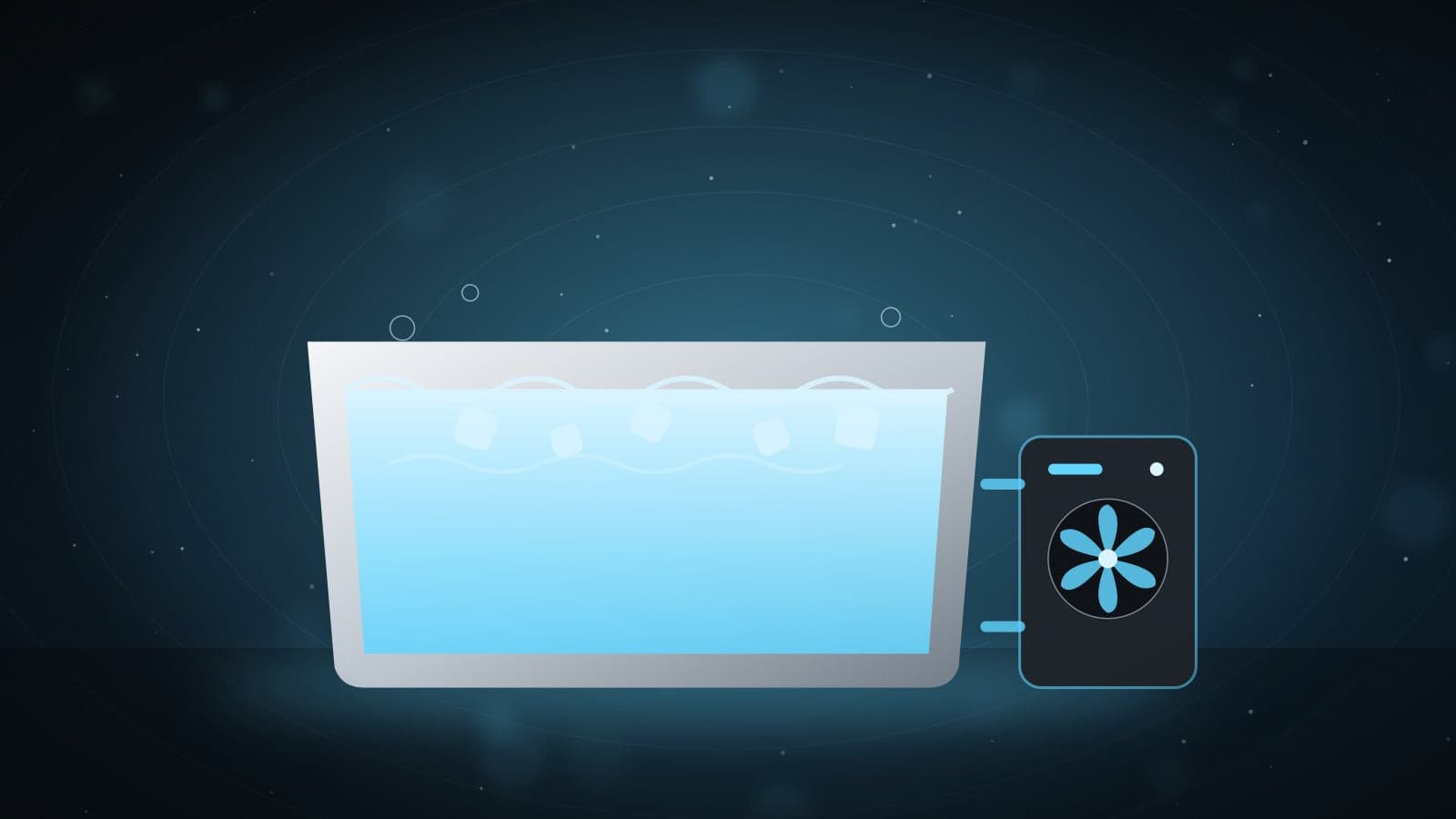
Cold Plunge Buying Guide: Tubs, Chillers and What to Look For
Round or rectangular? Portable or permanent? Built-in chiller or separate? Here is a clear, no-hype guide to choosing a cold plunge for your home, gym or spa.
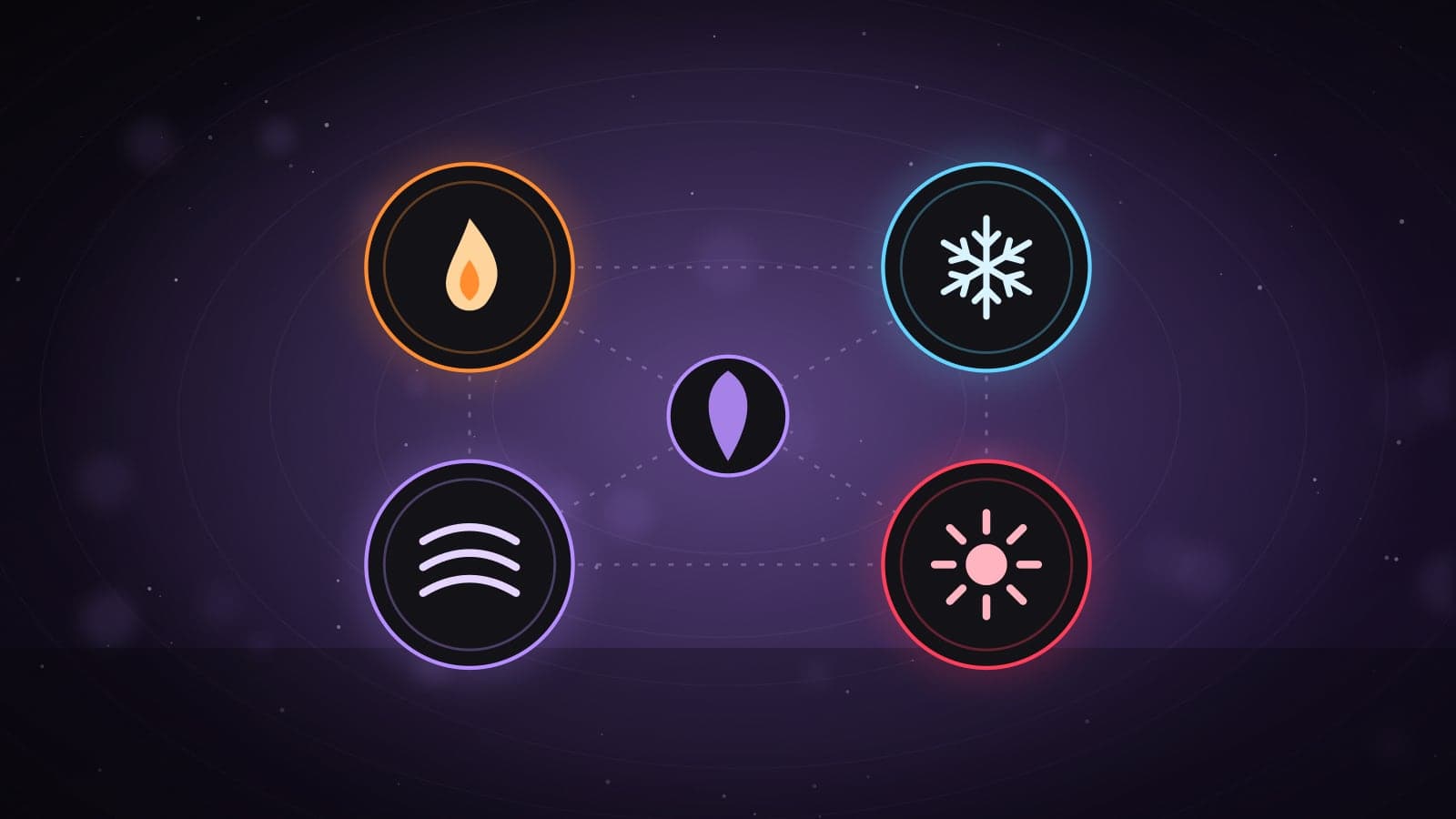
The Post-Workout Recovery Stack: What to Use, in What Order
Heat, cold, light, compression, massage. How to string recovery tools into a simple routine you will actually follow, at home or in a studio.