How Infrared Saunas Actually Work: Near, Mid and Far Infrared Explained
No jargon, promise. Here is how infrared heat differs from a steam sauna, what near, mid and far infrared mean, and why the air in the cabin stays much cooler than you would expect.
- A traditional sauna heats the air; an infrared sauna heats you directly with radiant energy.
- That is why an infrared cabin can sit around 45–60 °C and still make you sweat, while a Finnish sauna runs far hotter.
- Near, mid and far infrared are simply different wavelengths, and they feel different on the skin.
- Full-spectrum cabins combine several wavelength bands in one session.
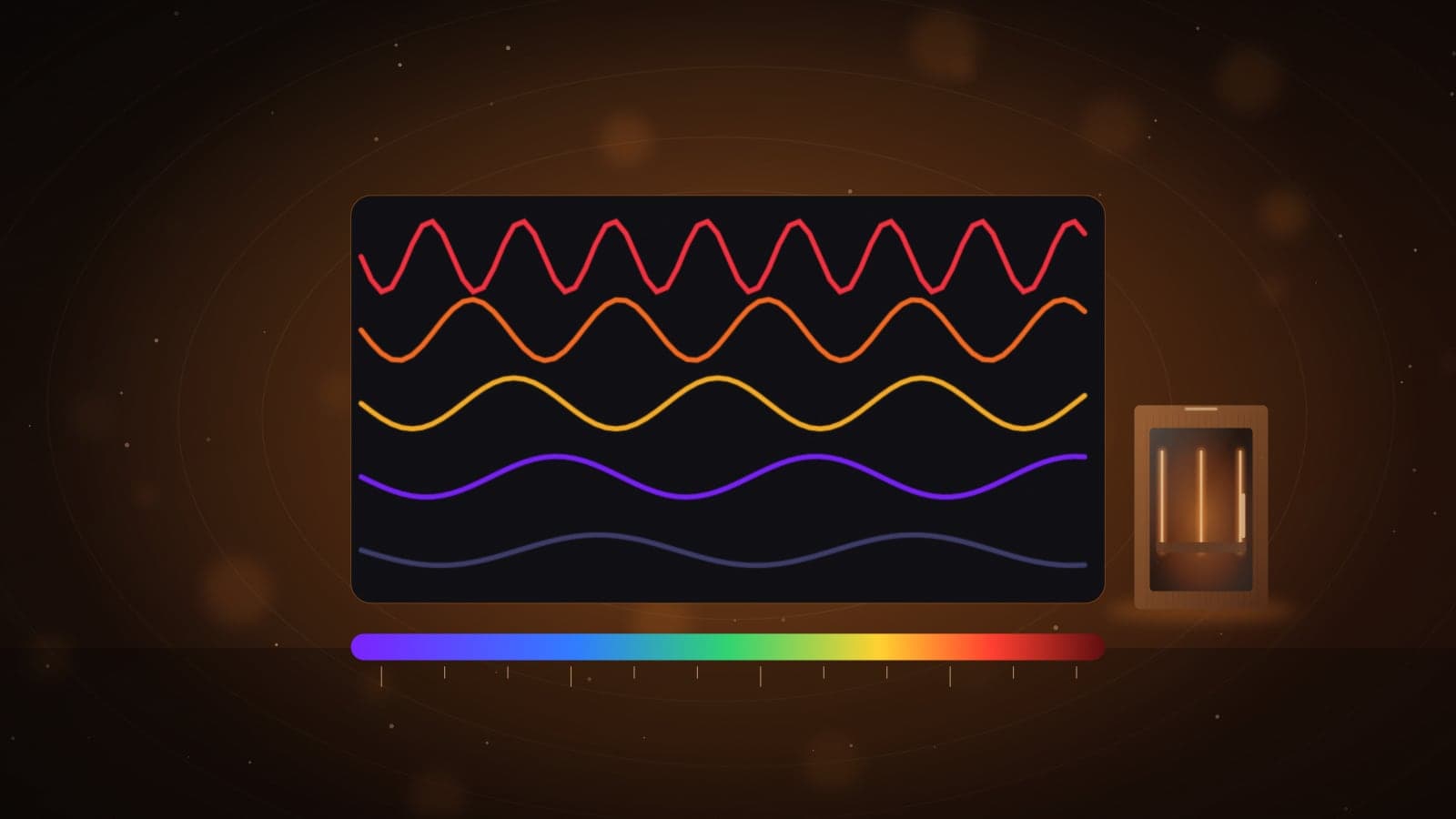
Illustration of infrared wavelength curves above a small sauna cabin
The short version
Picture standing in the sun on a cold day. The air is chilly, yet your face feels warm. That is radiant heat: energy travelling as light, absorbed by whatever it hits. An infrared sauna works on the same idea.
A traditional sauna heats the air (often to 80–100 °C) and the air heats you. An infrared sauna warms you directly, so the cabin air stays much lower, typically in the 45–60 °C range. For many people that makes the experience easier to sit through, especially if very hot, humid rooms leave them uncomfortable.
Near, mid and far infrared in plain words
Infrared is the part of the light spectrum just beyond what we can see. It is usually split into three bands, and the names are only about wavelength.
Our two-person Halo 2 is a full-spectrum cabin, meaning it is designed to deliver more than one band rather than only far-infrared.
Infrared photons carry energy that is absorbed as heat by skin and the tissue just beneath it. The exact depth depends on wavelength, which is why different bands feel different even at the same cabin temperature.
Why the air stays cooler (and why that matters)
Because the heaters aim energy at your body rather than boiling the air, you can reach a good sweat at a lower air temperature. Many people tell us they can stay in longer and come out feeling relaxed rather than wrung out.
It also affects the room. Cabins heat up in a matter of minutes instead of the long preheat of a stove sauna, and they use far less power than you might fear. A single-person cabin like the Halo 1 is rated around 1,350 W, similar to a strong kettle.
Infrared vs a traditional sauna, side by side
Both give you heat and a good sweat. How they get there is different, and that changes how a session feels.
Neither is 'right'. Plenty of people enjoy both. If you are leaning towards infrared, our buying guide takes you through the decision.
Why people sweat in a cooler cabin
Sweating is your body's cooling system. Radiant infrared warms your skin and the tissue just beneath it, so your body starts to cool itself even when the air is not hot. That is why you can sweat freely at a lower cabin temperature.
The upside is comfort: you can usually breathe easily and chat, read or listen to music. The key is to listen to your body. Hydrate before and after, step out if you feel faint, and keep sessions sensible. Our session guide walks you through it.
Sweating is driven by your core and skin temperature, not by how hot the air is. Radiant heat can raise skin temperature at a much lower air temperature than a steam sauna.
Where light therapy fits in
Near-infrared overlaps with the light used in red light devices, which is why some cabins describe themselves as 'full spectrum'. If you are curious about the difference between heating and light-focused devices, read red vs near-infrared wavelengths and our red light therapy guide.
Different heaters emphasise different bands. We compare carbon, ceramic and quartz options in full-spectrum vs carbon vs ceramic heaters.
What infrared does not do
We would rather be straight with you. An infrared sauna is a wellness experience: warmth, relaxation, a good sweat, a calm hour in your day. It is not a medical treatment, and we do not claim it cures anything. If you have a heart condition, are pregnant or take medication that affects heat tolerance, speak to your doctor before starting.
If you enjoy the idea, the next step is practical: which heater type suits you and how to run your first session. The full overview lives in our infrared sauna buying guide.
Frequently asked questions
Does infrared heat your body or the air?
Mostly your body. Infrared energy is absorbed by skin and nearby tissue and felt as warmth, so the cabin air can stay at a lower temperature than in a traditional sauna.
What is the difference between near, mid and far infrared?
They are bands of wavelength. Near-infrared is closest to visible red light, far-infrared has longer wavelengths and is felt as deep, soothing heat, and mid-infrared sits between them. Full-spectrum cabins aim to deliver several bands.
Why is my infrared sauna not as hot as a Finnish sauna?
It is designed that way. Infrared cabins work by radiant heat rather than hot air, so the air temperature is lower (around 45–60 °C) while you still warm up and sweat.
Do infrared saunas treat medical conditions?
No. We offer them as wellness equipment for relaxation and recovery routines. They are not a medical treatment. If you have a health condition, ask your doctor before using one.
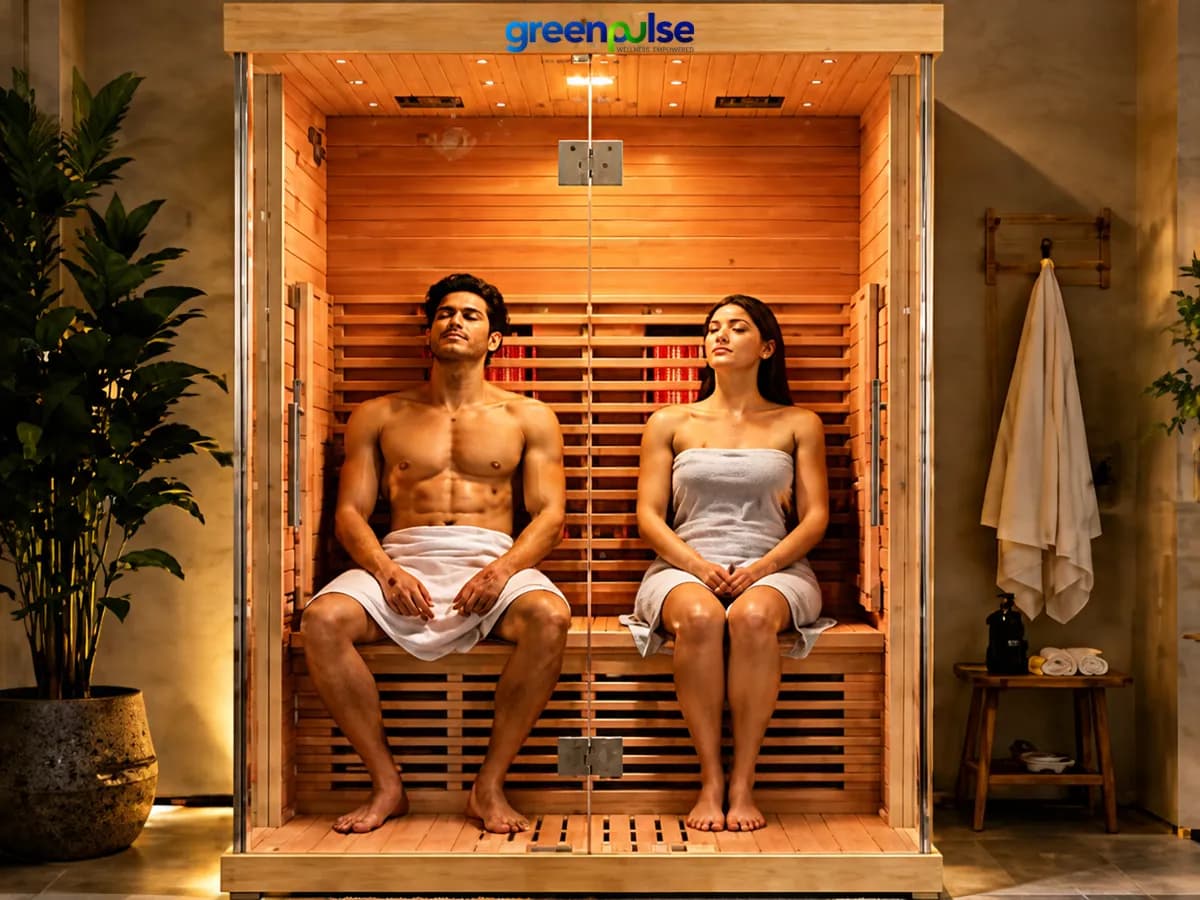
Halo 2 Infrared Sauna (2 Person, Full Spectrum)
Full-spectrum heating for two people, with tourmaline floor and oxygen ionizer.
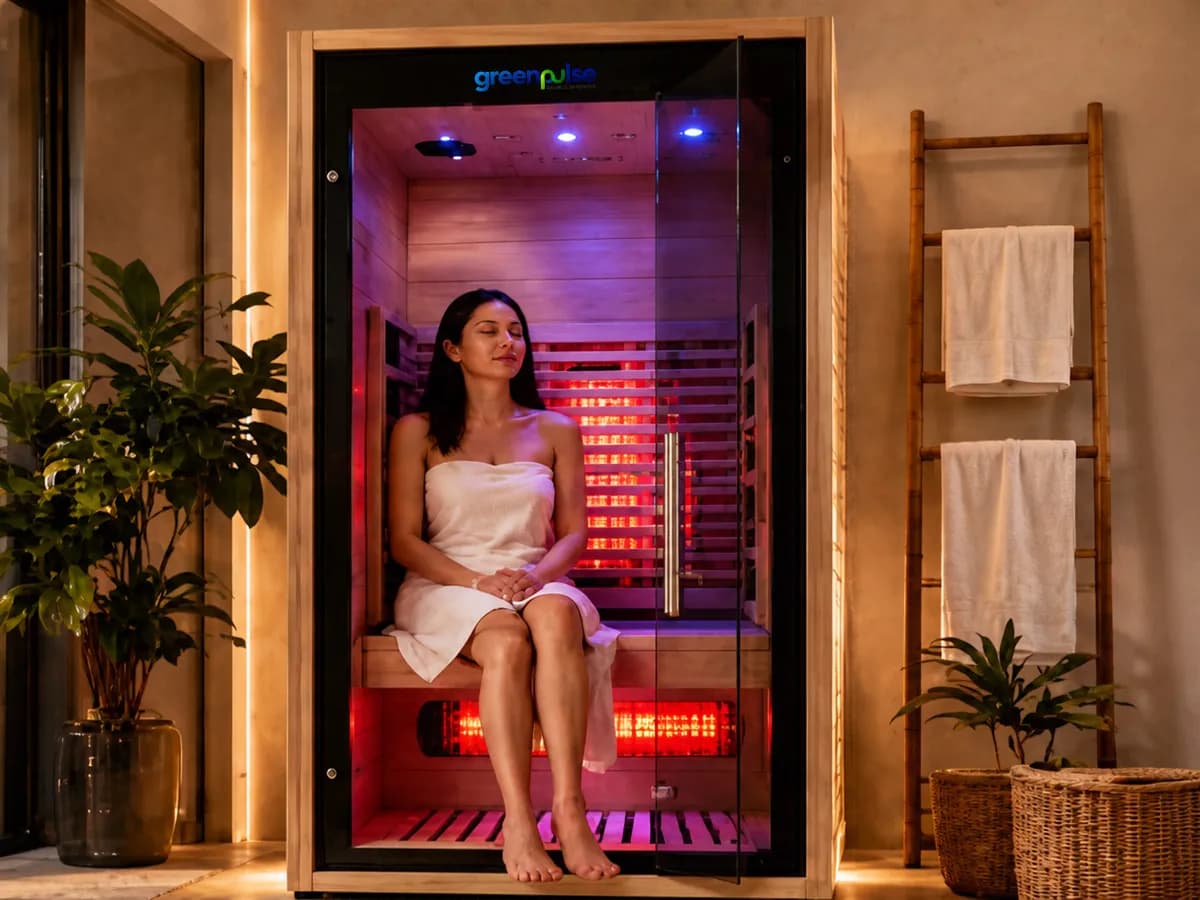
Halo 1 Infrared Sauna (Single Person, Full Spectrum)
The same full-spectrum approach in a compact single-person footprint.
Planning a recovery suite or commercial wellness facility?
GreenPulse provides space layout planning, product selection, electrical planning, installation and team training for your space.
Related Perspectives
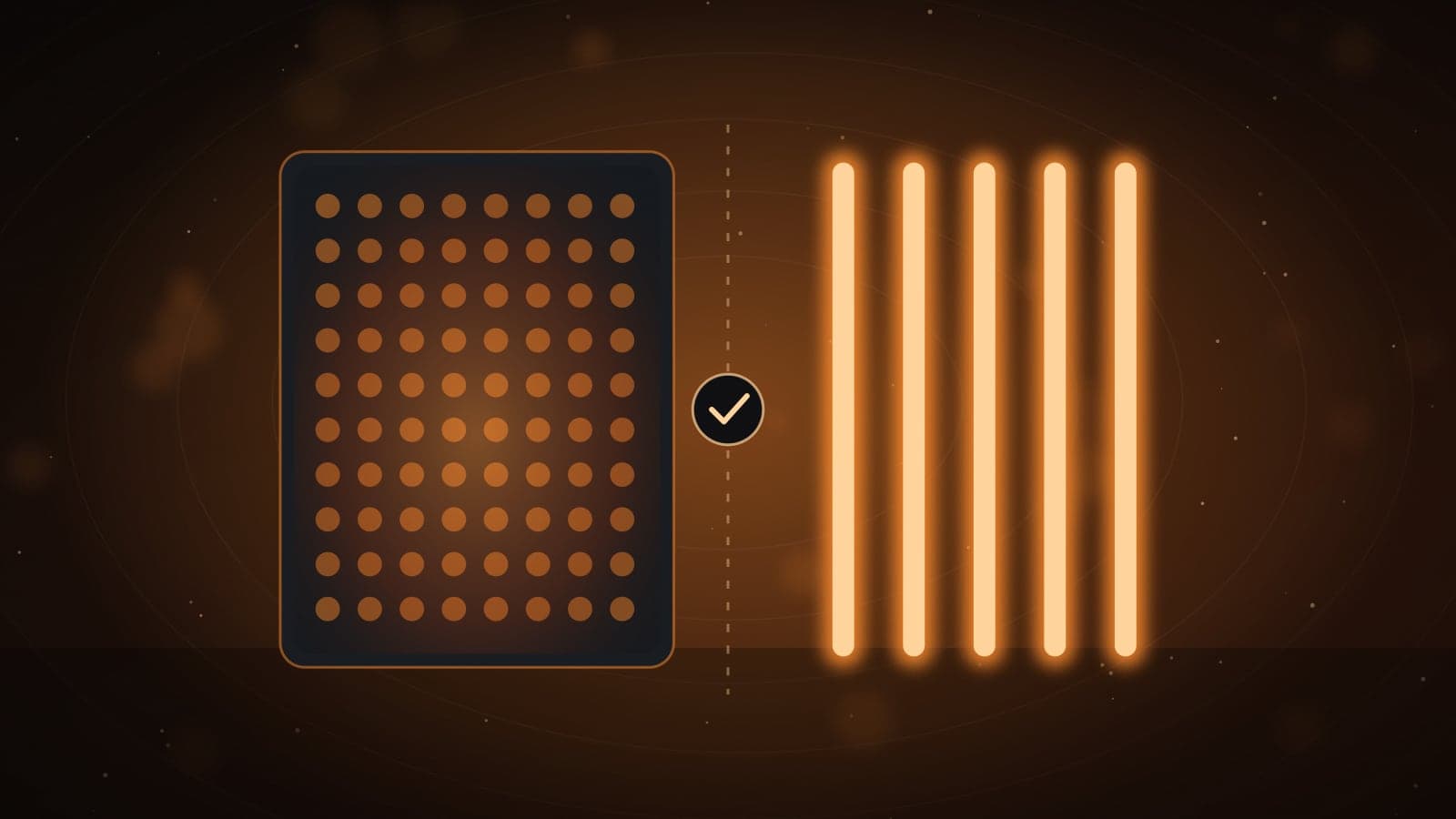
Full-Spectrum vs Carbon vs Ceramic Infrared Heaters: Which Is Better?
Carbon panels, ceramic tubes, full-spectrum quartz. Each heats differently, feels different and suits a different user. Here is how to choose without needing an engineering degree.
Red vs Near-Infrared Light: What the Wavelengths Do
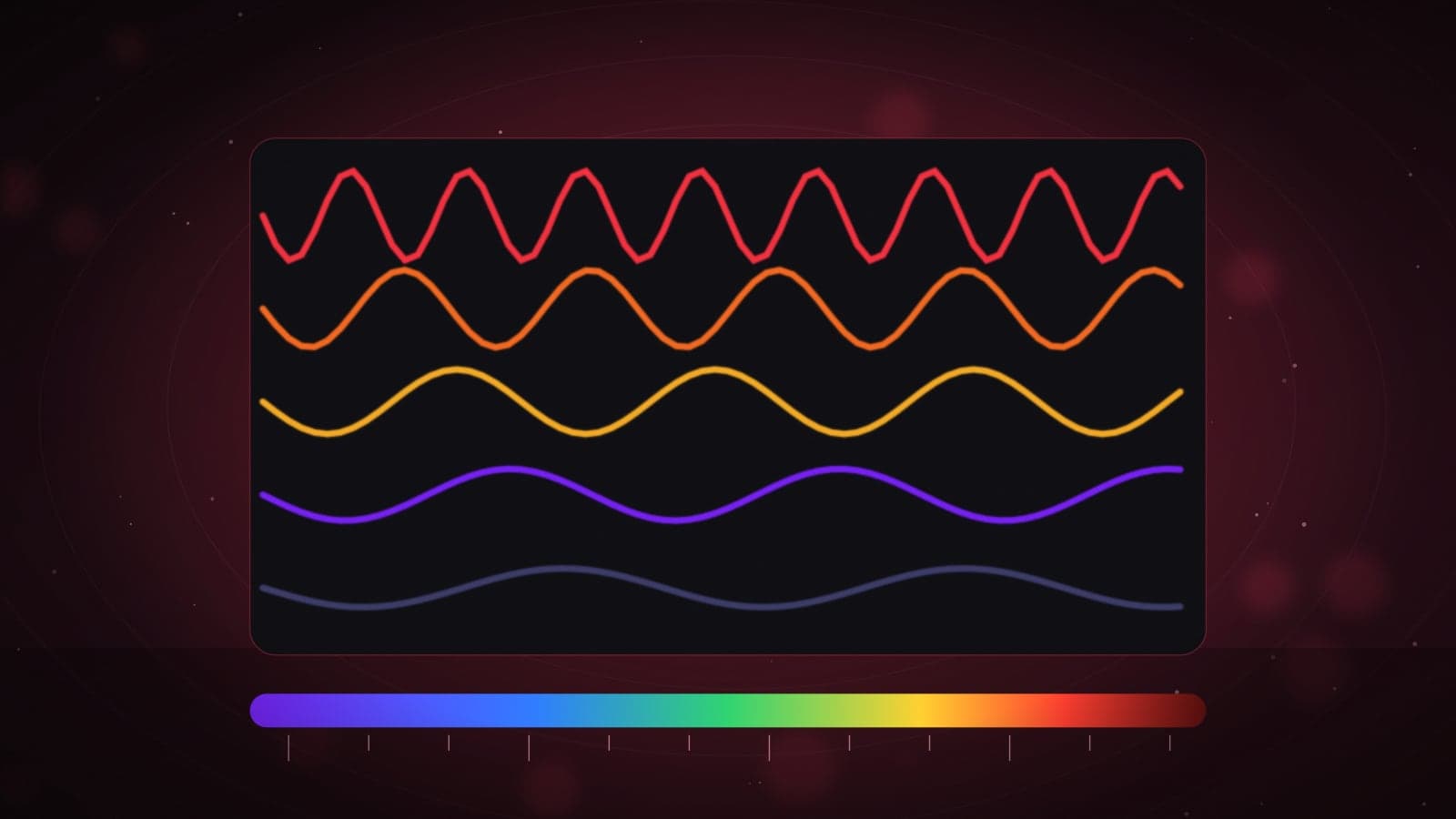
660 nm, 810 nm, 850 nm. Why do red light devices list numbers like these, and what does each wavelength mean for how a session feels? A beginner-friendly explainer.
Your First Infrared Sauna Session: How Long, How Often and What to Expect
New to infrared saunas? A friendly walkthrough of temperature, session length, hydration and the small habits that make the experience better.