Handheld Red Light and Laser Devices: Where They Fit
Wands, 4-in-1 devices and scalp caps put light where you want it. Here is how they differ from panels and masks, and how to use them safely.
- Handheld devices are precise and portable, ideal for small, specific areas.
- A 4-in-1 unit combines light, TENS and ultrasound, so read the instructions for each mode.
- Always protect your eyes and follow the supplied safety guidance.
- Treat them as wellness tools, not replacements for professional care.
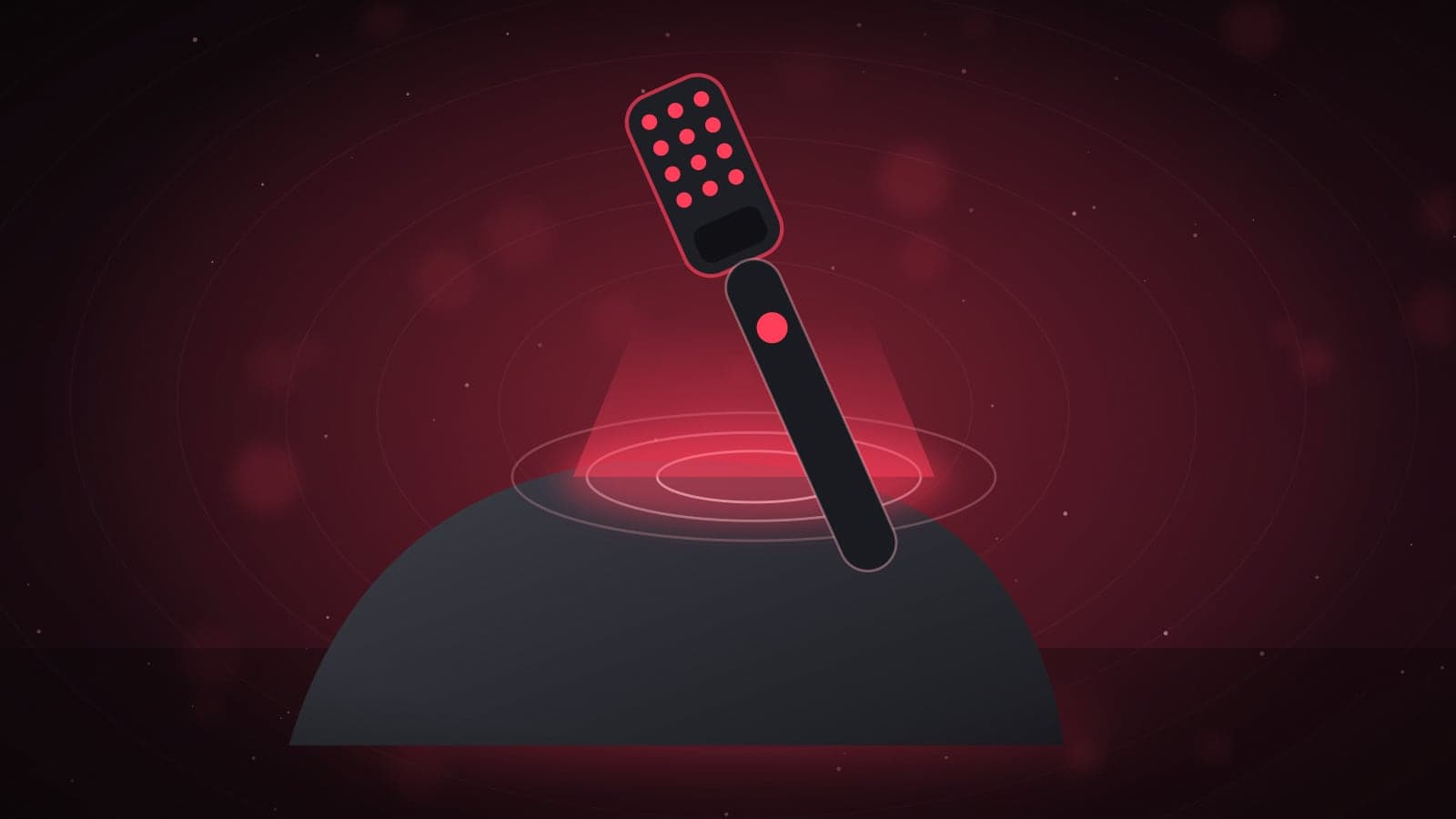
Illustration of a handheld red light wand projecting light onto a shoulder
Why choose a handheld?
Panels and beds cover a lot of ground. A handheld does the opposite: it goes exactly where you point it. That makes it handy for a sore shoulder, a stiff neck or any area where you want precise, short sessions. It also travels in a bag.
For the wider landscape of light formats, see our red light therapy guide.
The devices in our range
Using them safely
Never shine laser light into your eyes or anyone else's, and use the supplied eye protection. Keep sessions within the supplied guidance, avoid broken skin and do not use over areas your doctor has asked you to avoid. TENS and ultrasound modes have their own rules, so read the manual for each.
If you are pregnant, have an implanted device such as a pacemaker or have a medical condition, ask your doctor before using any of these.
Keep a simple log of where you used the device, for how long and how you felt. It stops you overdoing a single spot and tells you whether the routine is working for you.
Everyday uses people enjoy
Most customers use a handheld in a few simple ways: a short session on a stiff neck after a long day at the desk, a quick pass over a sore shoulder after the gym, or a calming evening routine on tired hands and feet. Because it is small, it gets used far more often than a big panel.
Keep sessions short, rotate between areas, and write down how you feel. A device that stays on the bedside table is a device you will reach for, and the habit matters more than any single session.
Choosing between the three
Think about the job. For a flexible, general-purpose tool, the Luma Beam Wand is a straightforward choice with red and infrared diodes and continuous or pulsed modes. If you want several modalities in one body, the Luma Beam Quad combines TENS, laser and ultrasound. For scalp use, the Luma Beam Crown is a wearable cap that leaves your hands free.
A handheld is also a smart complement to a larger device. If you have a mask for the face, a handheld deals with a small area elsewhere. See the LED face mask guide and bed vs panel vs stand for bigger formats.
What the numbers on the box mean
The wand lists 650 nm red and 808 nm infrared diodes. These sit at the same end of the spectrum as LED panels, but laser diodes concentrate the light into a narrow beam, which is why the safety guidance is stricter. Read red vs near-infrared wavelengths for the background.
Always check the power rating, battery life and recommended session length, and look for clear instructions about eye safety.
Keep the supplied goggles with the device, and store it where children cannot reach it.
In professional use
Practitioners often keep a handheld on the desk for quick use between clients. Check what local regulations say about the features you plan to use, particularly TENS and ultrasound, and keep a cleaning routine for the surfaces that touch skin. The Rehabilitate solutions page shows how clinics bundle devices.
In a clinic or studio
Practitioners value handhelds because they are quick to deploy between clients and complement larger devices. A physio room might combine a handheld with a stand or panel and a massage gun. We discuss a full room set-up in equipping a physio or chiropractic clinic, and you can browse the Rehabilitate solutions for ready-made kits.
Frequently asked questions
What is the difference between a laser and an LED device?
LEDs produce broader, softer light and cover more area. Laser diodes produce a concentrated beam of a single wavelength, which needs stricter eye-safety care.
Can I use a handheld device on my face?
Only if the manufacturer says so, and never near your eyes. Many handhelds are designed for the body. For the face, a mask or panel with eye protection is usually more suitable.
How long should I use a handheld per area?
Follow the supplied guidance. Short sessions per area are typical, and you should avoid overusing a single spot.
Is the Luma Beam Crown a medical device?
We sell it as wellness equipment and make no medical claims. If you have a scalp or hair concern, speak to a doctor or dermatologist.
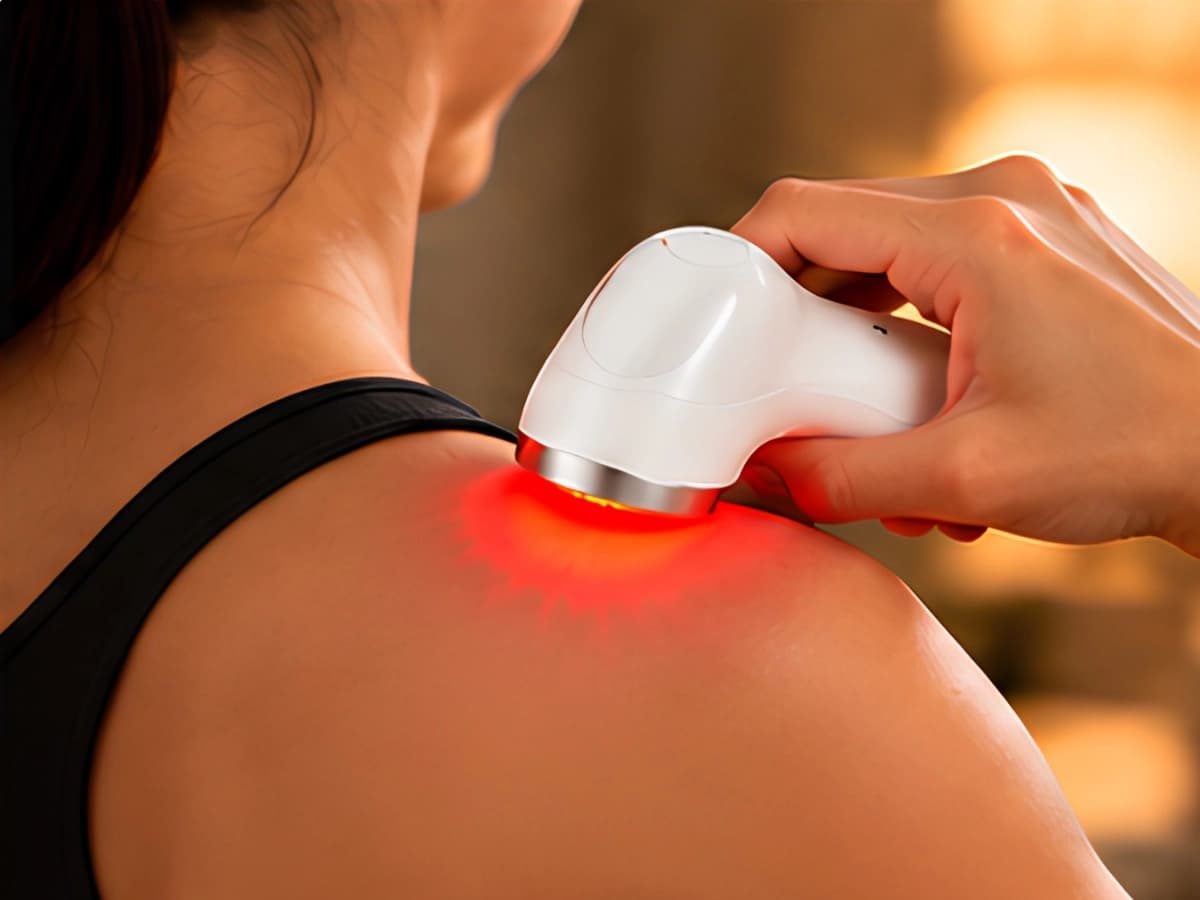
Luma Beam Wand Handheld Red & Infrared Laser Device
Handheld wand with red and infrared laser diodes.
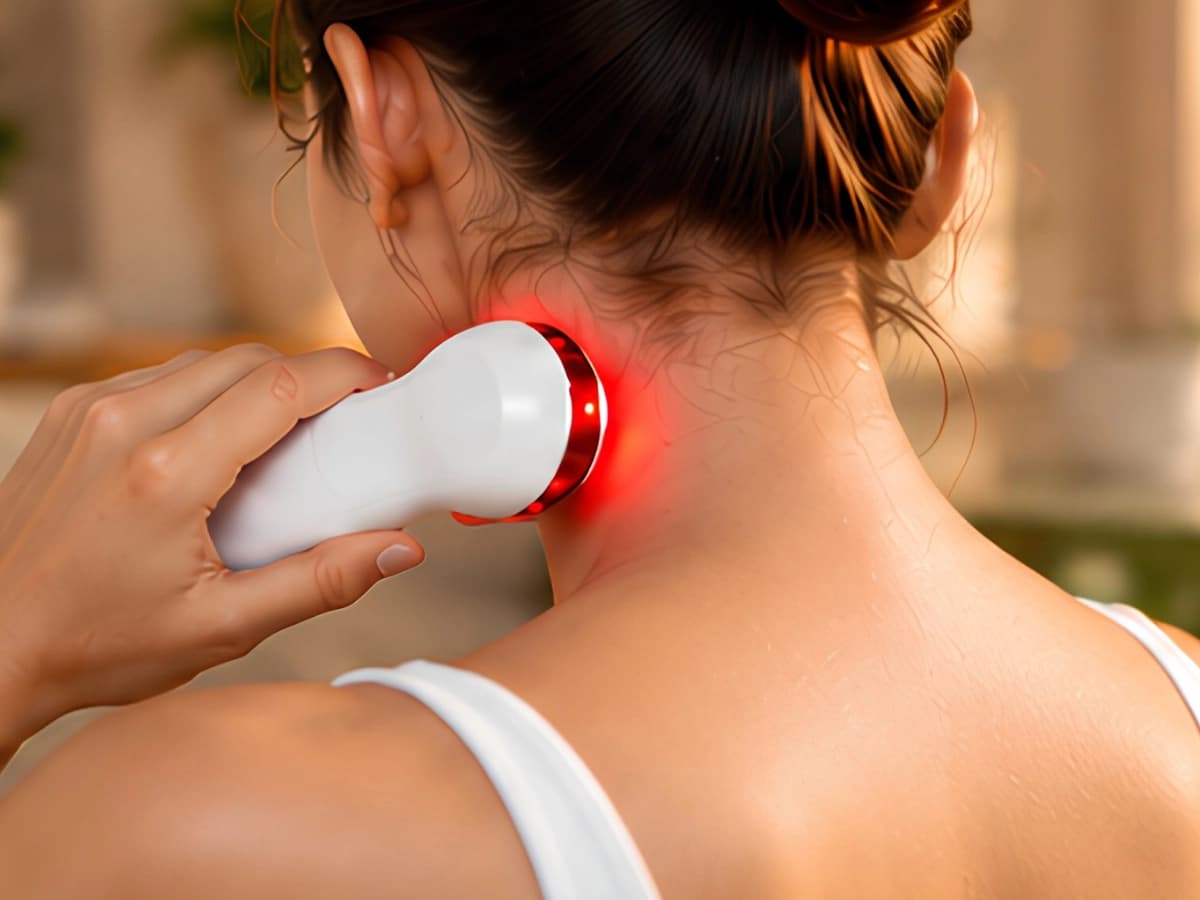
Luma Beam Quad 4-in-1 Handheld Laser, TENS & Ultrasound Device
4-in-1 handheld: TENS, red laser, infrared laser and ultrasound.
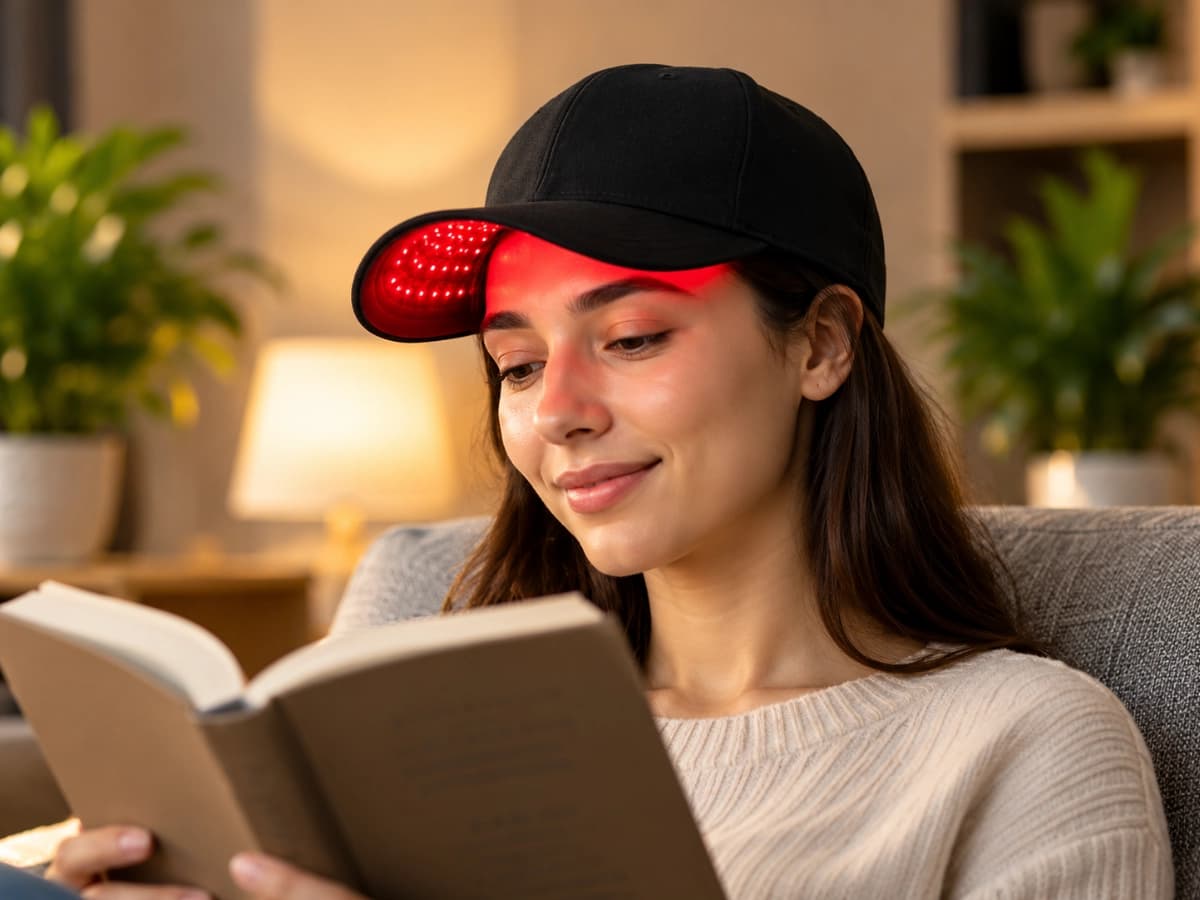
Luma Beam Crown Red Light Laser Therapy Cap
Wearable red-light laser cap with 200 diodes.
Planning a recovery suite or commercial wellness facility?
GreenPulse provides space layout planning, product selection, electrical planning, installation and team training for your space.
Related Perspectives
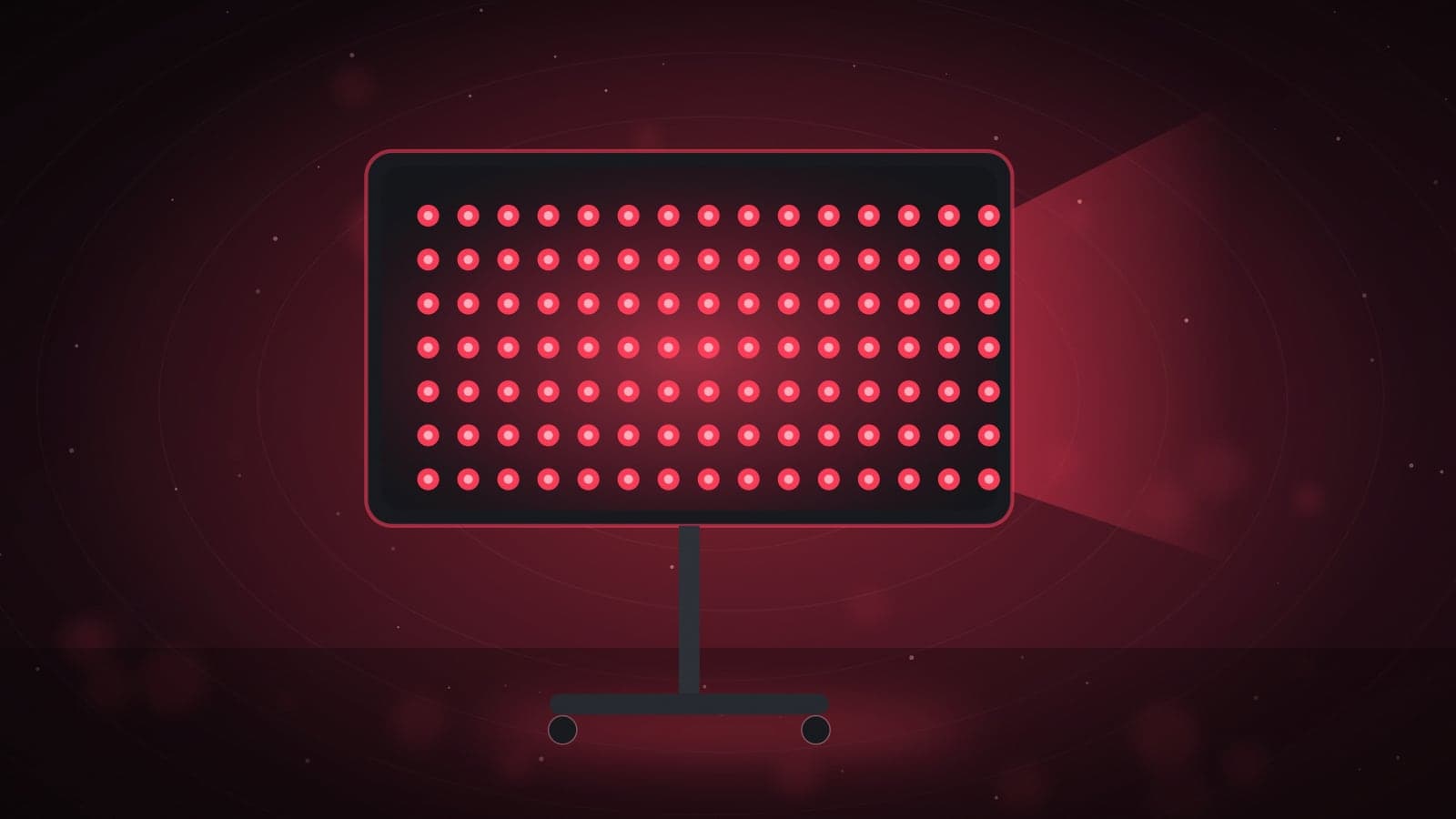
Red Light Therapy: A Plain-English Guide for Homes, Studios and Clinics
What red light therapy is, how the main formats compare (masks, panels, stands, beds, handhelds) and how to choose the right one without wading through marketing claims.
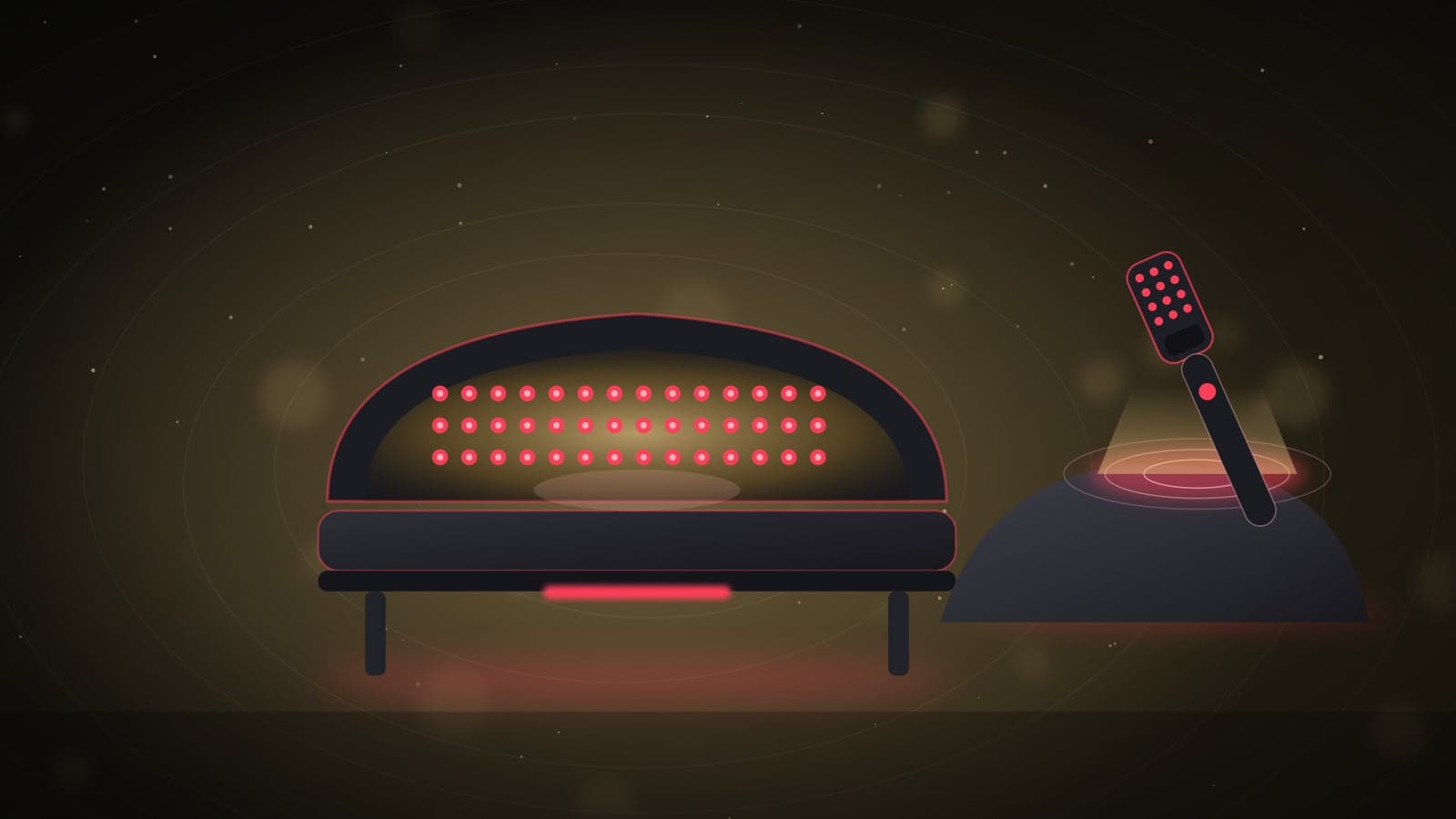
Equipping a Physio or Chiropractic Clinic with Recovery Technology
Which recovery devices genuinely earn their place in a treatment room, and how to choose between compression, light, massage and cold tools for a busy clinic.
Massage Gun Buying Guide: Amplitude, Speed and Attachments
Stroke length, speed settings, heads and battery. A no-nonsense guide to choosing a percussion massage gun, with three Thrum models compared.