Red Light Bed vs Panel vs Stand: Choosing the Right Format
Full-body beds, tall stands and wall or floor panels all deliver red and near-infrared light, but they suit very different spaces and budgets. Here is how to decide.
- Beds give the most immersive full-body session and suit studios and clinics with space.
- Stands cover a lot of the body, can move on wheels and fit more rooms.
- Panels are the most affordable and flexible, best for targeted or smaller spaces.
- Check cooling, power draw and the footprint before you choose.
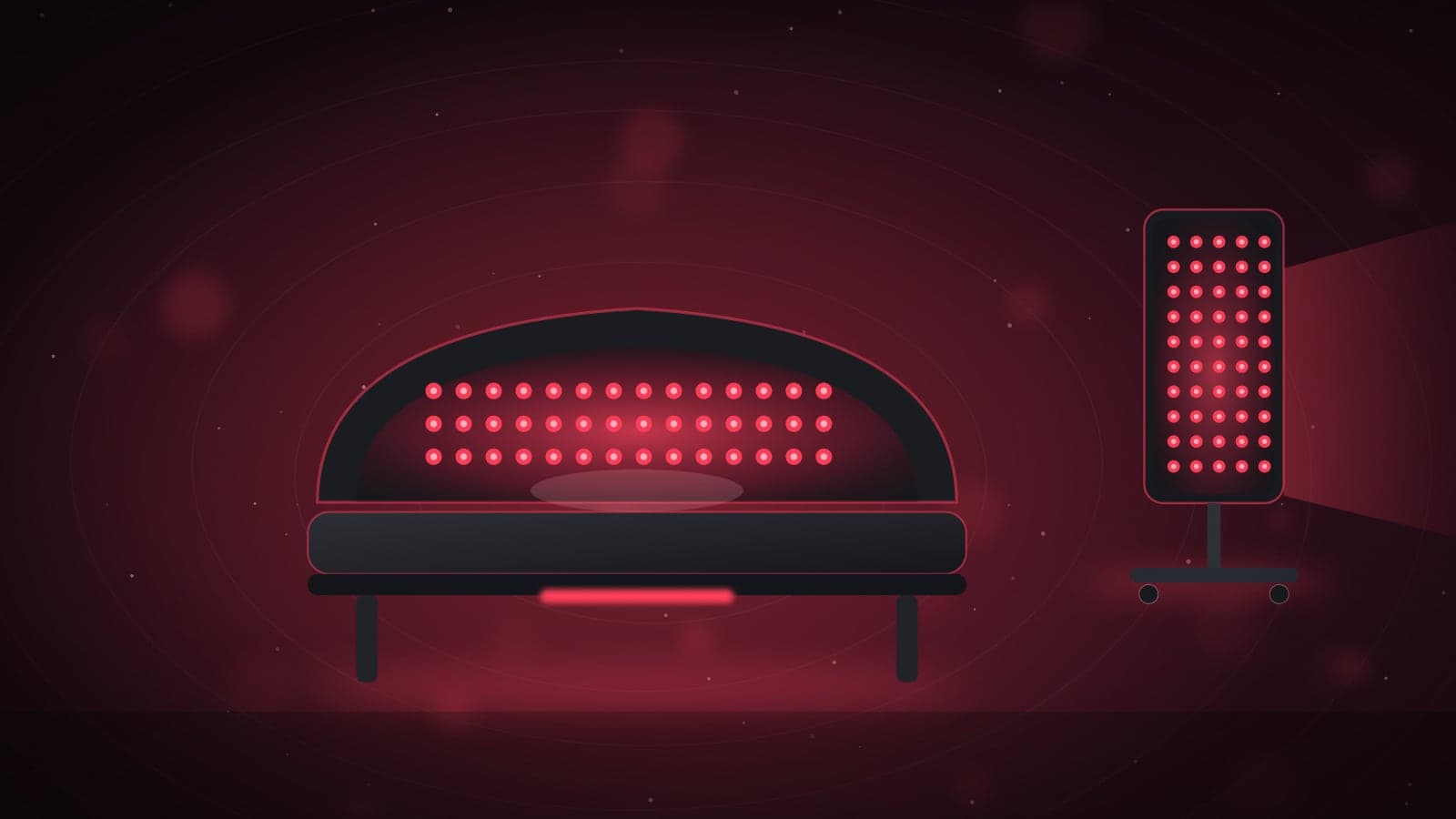
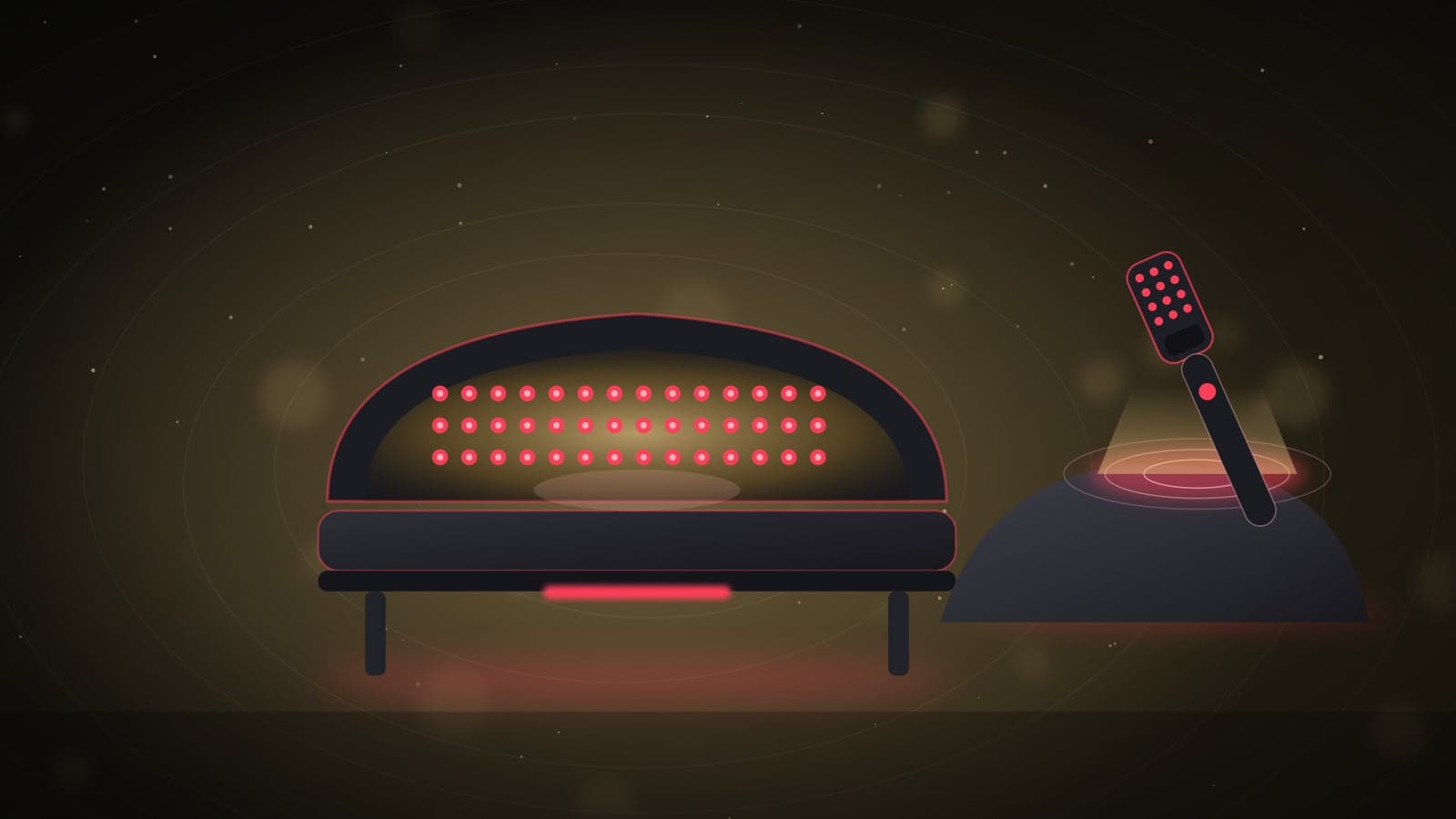
Illustration of a full-body red light bed next to a tall red light stand
Same light, different delivery
All three formats deliver red and near-infrared light. The difference is how much of your body they reach, how comfortable the session is and how much space and money they take. If you need a primer, start with our red light therapy guide.
Beds and chambers: the full experience
Lying down in a full-body bed wraps you in light from above (and sometimes below), so you get a complete session in one go. The Luma Cocoon is a clamshell bed with 21,600 LEDs, a control tablet and Bluetooth music. The Luma Cocoon Pro adds PEMF with 41,600 LEDs, while the Luma Dome is a walk-in chamber.
These are the premium choice for studios, spas and clinics: a signature service that feels special and runs on a timer. The trade-offs are price, footprint and power. Plan the room accordingly using lessons from our recovery lounge guide.
Stands: tall, mobile and flexible
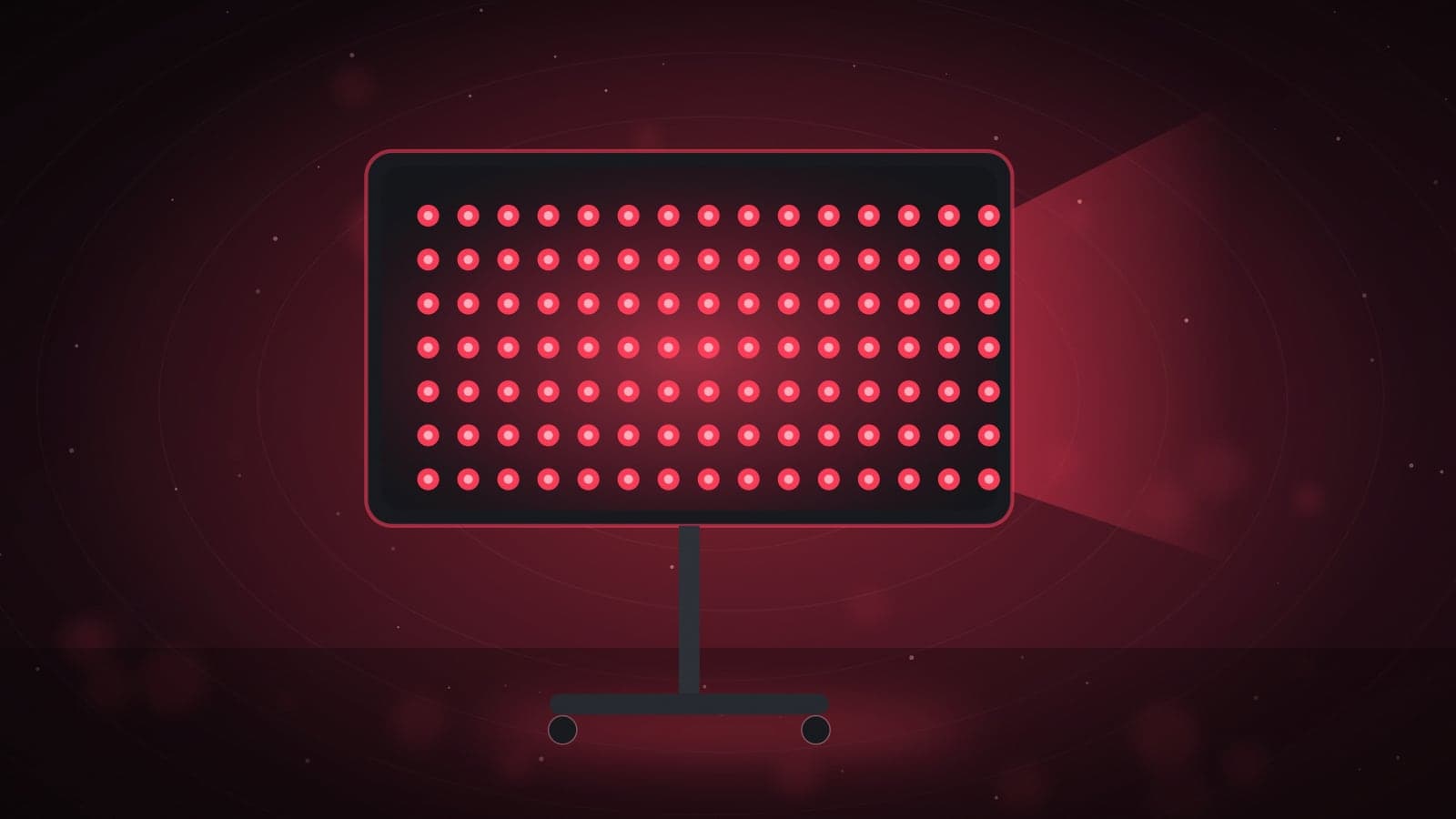
A stand puts a tall panel in front of you and covers most of the body. The Luma Stand has 12,312 LEDs across four wavelengths, and the Luma Stand Pro adds the 810 nm band with independent wavelength control. The Luma Tower is a tall, mobile stand with 320 LEDs.
Stands suit venues that do not have room for a bed, or those who want to move the device between treatment rooms.
Standing sessions keep guests upright and quick, which makes stands good for short, high-turnover appointments. Beds suit longer, relaxation-focused bookings.
Panels: affordable and targeted
Panels are the entry point. The Luma Panel has 75 dual-chip LEDs with separate red and infrared control and 10 Hz and 40 Hz pulse modes, on a height-adjustable stand. Smaller options like the Luma Spot and the Luma Go range suit specific areas and home use.
A panel covers less area, so sessions focus on one part of the body at a time, but the cost and space savings are significant.
Space, power and cooling
Big light devices are a facility decision. A bed like the Luma Cocoon lists 3,000 W and the Luma Cocoon Pro lists 6,500 W, so check your supply and your cooling plan with an electrician. Stands are lighter on both counts.
Leave room around any bed for the opening and for staff to help guests in and out. Keep the room comfortably ventilated, since LEDs generate some heat, and plan floor protection beneath wheels.
Do not overlook the small formats
Not every buyer needs a big device. If you only want to target the face, a face mask may be all you need. For small areas, a handheld works well. Our guide to handheld red light devices lists options.
Many venues mix formats: a bed or stand for full-body sessions and a few small devices for add-ons. For wavelengths, remember that near-infrared goes deeper than red, which is covered in red vs near-infrared.
Before buying a bed, ask the supplier how long it takes to cool down between sessions and whether the cooling is quiet enough for a calm treatment room.
Making a bed or stand pay for itself
Treat a light device like any other asset. Estimate your realistic bookings per day, your price per session and your running costs (power, cleaning, maintenance). Divide the investment by monthly margin for a rough payback. Our recovery lounge guide walks through the method, and our gym recovery zone pricing article shows how membership tiers help.
How to decide
If you are fitting out a clinic, read our guide to equipping a physio or chiropractic clinic. And for a combined heat-and-light option, see how a blanket compares in blanket vs cabin.
Frequently asked questions
Is a red light bed better than a panel?
A bed covers more of the body at once and feels more luxurious, while a panel is cheaper and more flexible. 'Better' depends on your space, budget and how many people will use it.
How many LEDs does a red light device need?
There is no magic number. LED count, power, wavelengths and the treatment area all matter. Look for transparent specs and follow the recommended distance and session time.
Can I use a red light stand at home?
Yes. Stands such as the Luma Go and Luma Tower are designed to be mobile, and they suit homes, studios and clinics with limited space.
Does a red light bed need special wiring?
Large beds can draw significant power (up to several kilowatts for some models), so have a qualified electrician confirm the circuit before installation.
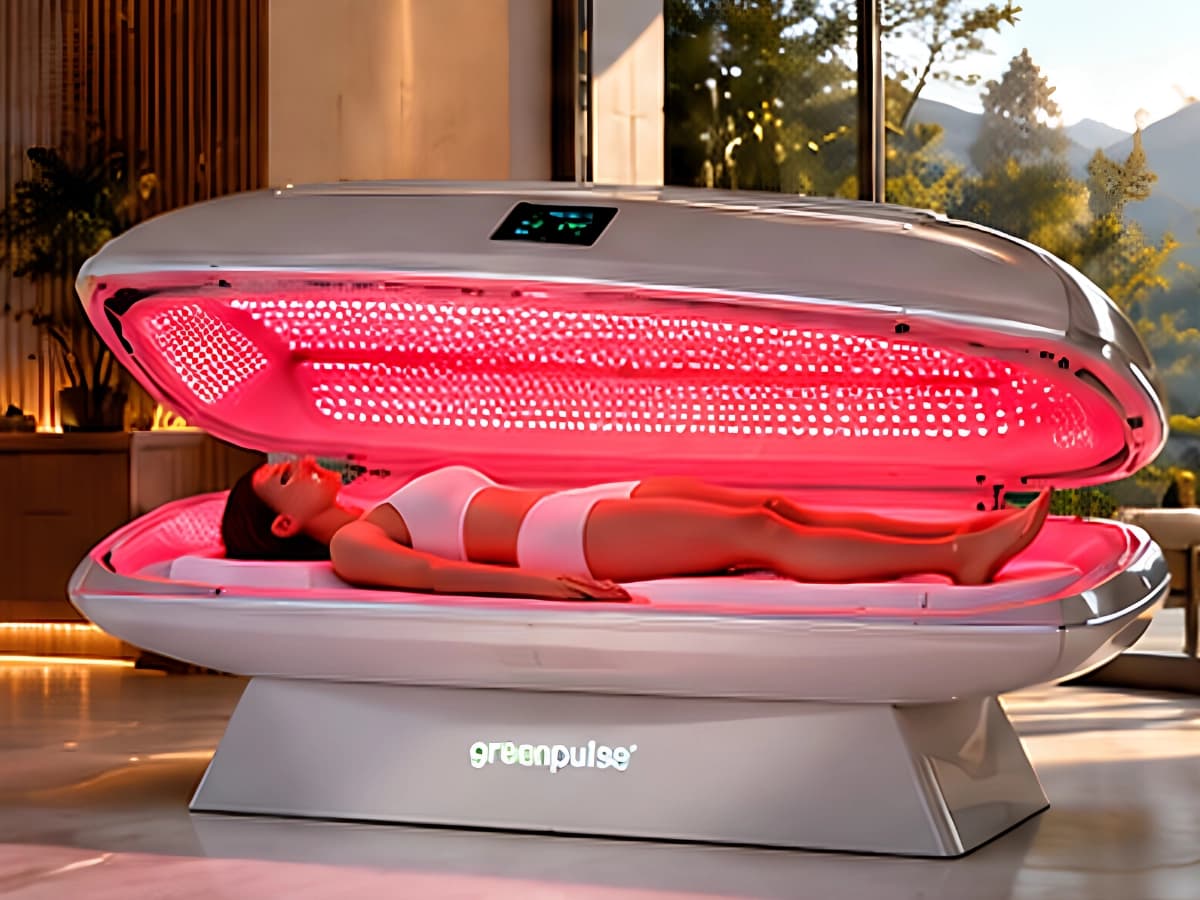
Luma Cocoon Full Body LED Light Therapy Bed
Clamshell bed with 21,600 LEDs, a control tablet and Bluetooth music.
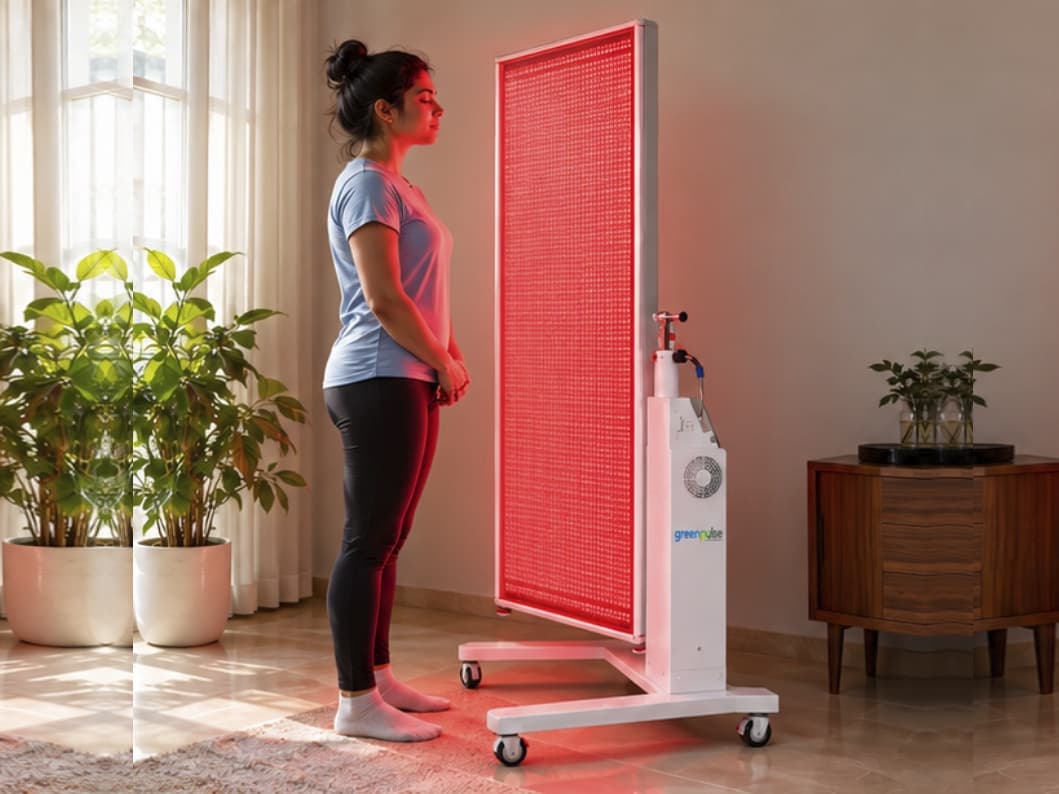
Luma Stand Pro Full Body LED Light Therapy Stand (Independent Wavelength Control)
Full-body stand with independent wavelength control and presets.
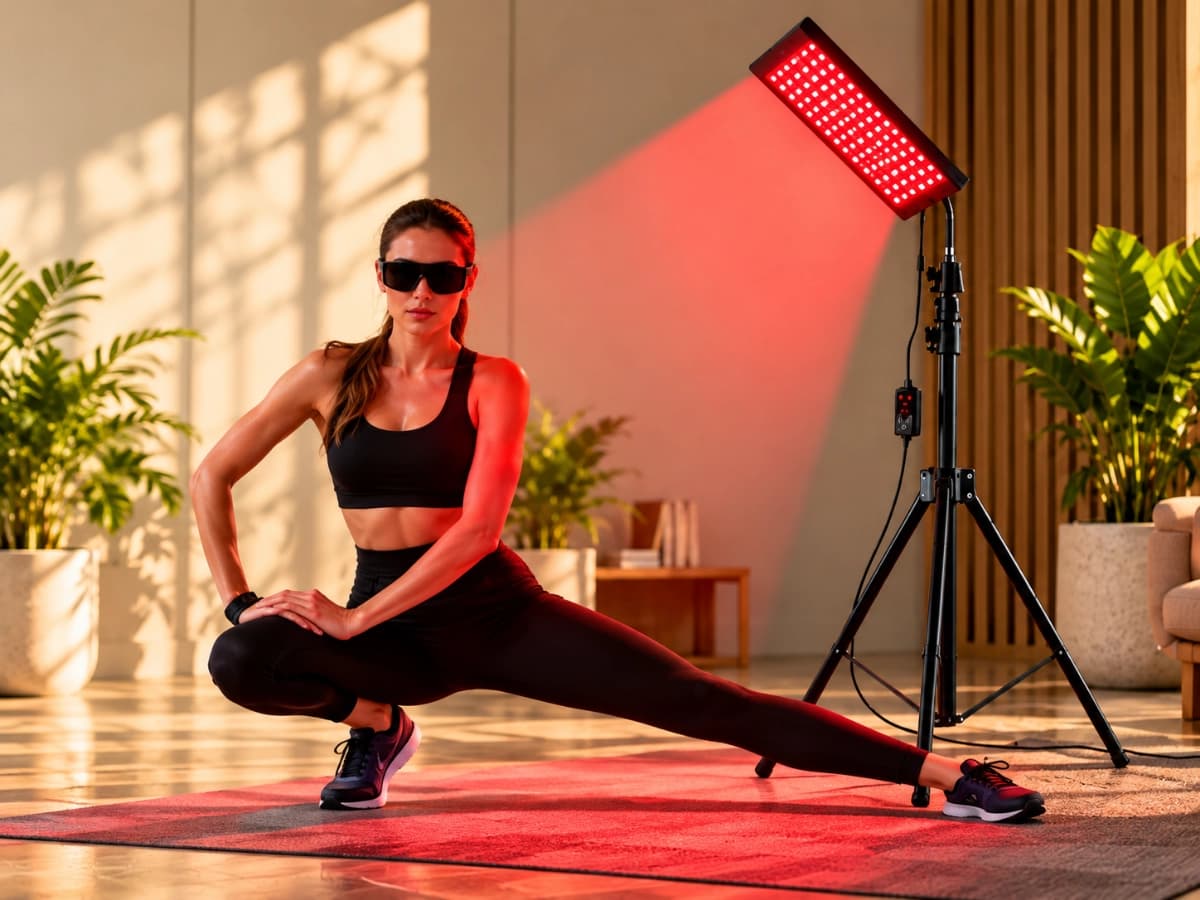
Luma Panel Height-Adjustable Red Light Therapy Panel
Affordable, height-adjustable panel for targeted use.
Planning a recovery suite or commercial wellness facility?
GreenPulse provides space layout planning, product selection, electrical planning, installation and team training for your space.
Related Perspectives
Red Light Therapy: A Plain-English Guide for Homes, Studios and Clinics
What red light therapy is, how the main formats compare (masks, panels, stands, beds, handhelds) and how to choose the right one without wading through marketing claims.
Equipping a Physio or Chiropractic Clinic with Recovery Technology
Which recovery devices genuinely earn their place in a treatment room, and how to choose between compression, light, massage and cold tools for a busy clinic.
How to Start a Recovery Lounge: Equipment, Layout and Pricing
A practical blueprint for opening a recovery lounge or adding one to your gym, spa or clinic: choosing equipment, planning the floor, pricing sessions and keeping it busy.